

Curriculum8 min
IB in Uganda: where it is, what it costs, who it serves
Four schools currently authorised. Here is what each one does well, and where the curriculum hits friction.
19 Feb 2026Read
For most Ugandan families the question is not whether to study abroad, but how to pay for it. There are three well-trodden routes to a funded place. Here is how each one works, and where to look.
Fully-funded awards from foreign governments and intergovernmental schemes, Chevening, Commonwealth, DAAD, MEXT, Türkiye Bursları and others, often covering tuition, stipend and travel.
Direct scholarships from universities abroad, merit awards, need-based aid and tuition waivers offered to strong international applicants on admission.
Programmes from foundations and non-profits, MasterCard Foundation Scholars, African Leadership Academy pathways and similar, that fund African students end to end.
Praecip maintains a continuously-updated board of open scholarships, with deadlines, eligibility and direct application links, each verified before it goes up. Tell us which destination you are aiming for and we will point you to the right awards.
A scholarship application is won a year before the deadline. Our university-guidance walks through timelines, tests and essays, the unglamorous work that gets students funded.
From Trends & Insights
Four schools currently authorised. Here is what each one does well, and where the curriculum hits friction.

A practical checklist for parents weighing the decision, from results to the things the prospectus never mentions.
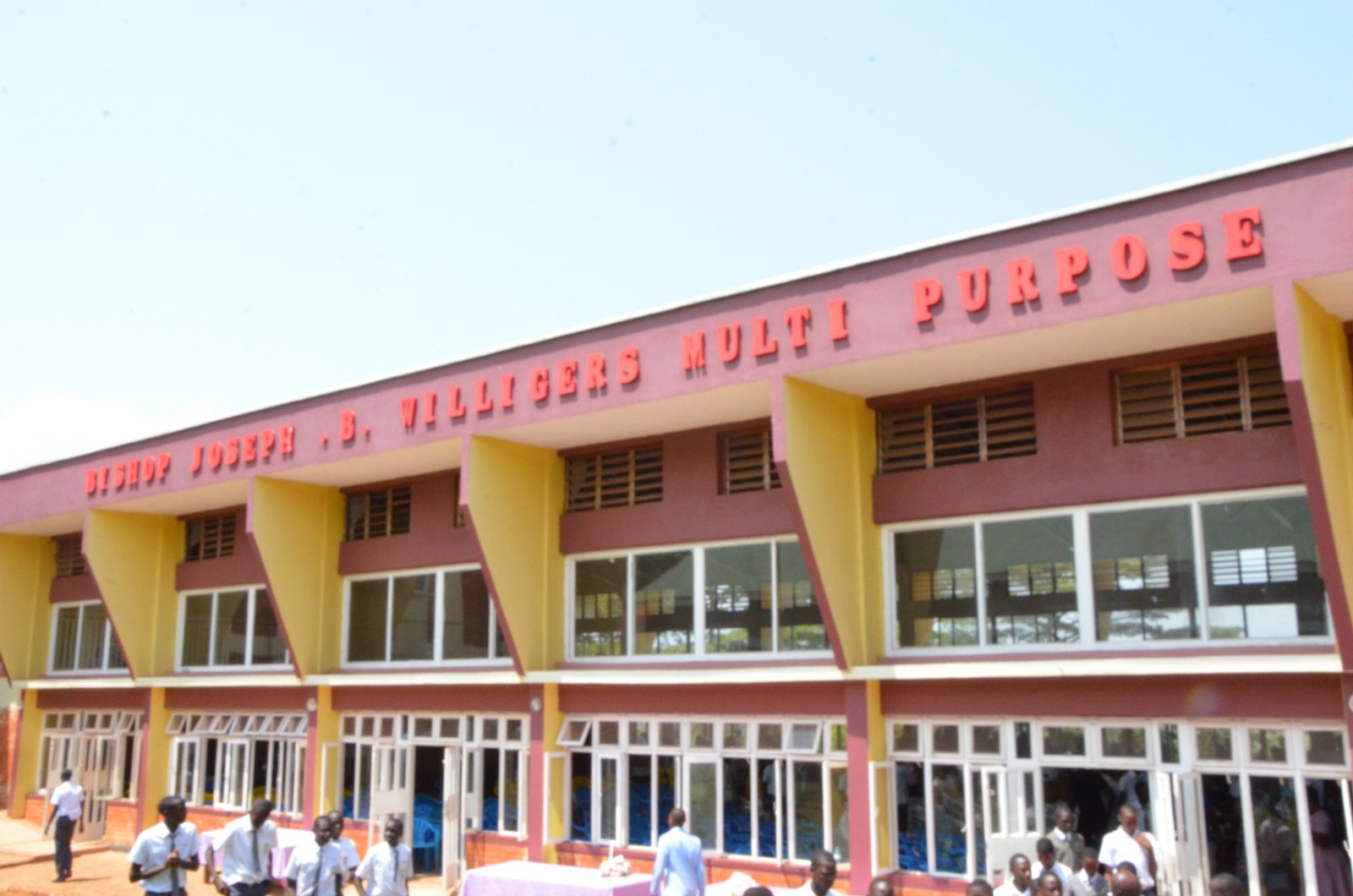
Busoga College Mwiri is again drawing pupils who, a few years ago, would have decamped to Kampala.
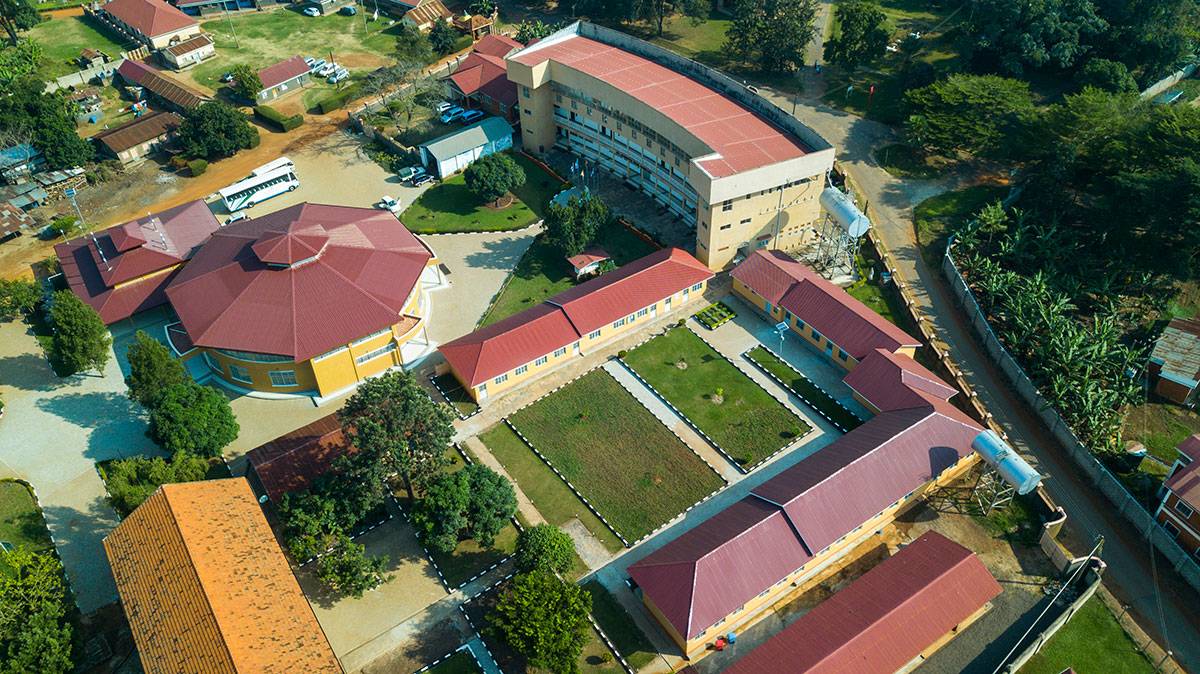
How a solid-but-unremarkable Mukono school became one of the most-improved in central Uganda.