
News8 min
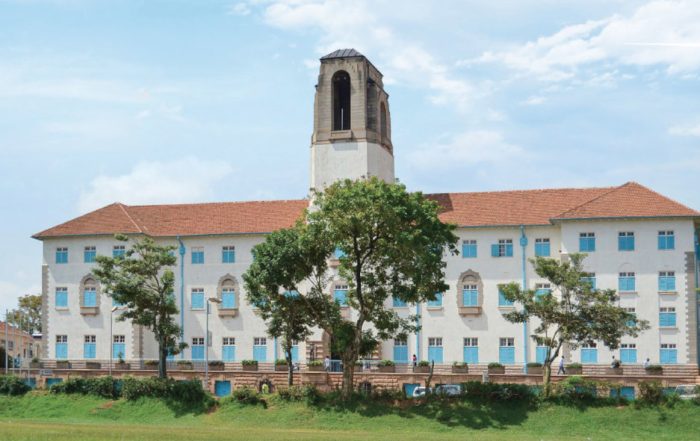
Makerere trims undergraduate courses as it doubles down on research
The practical effect for sixth-formers: a narrower but better-resourced menu, and tighter cut-offs.
6 Jun 2026Read
News
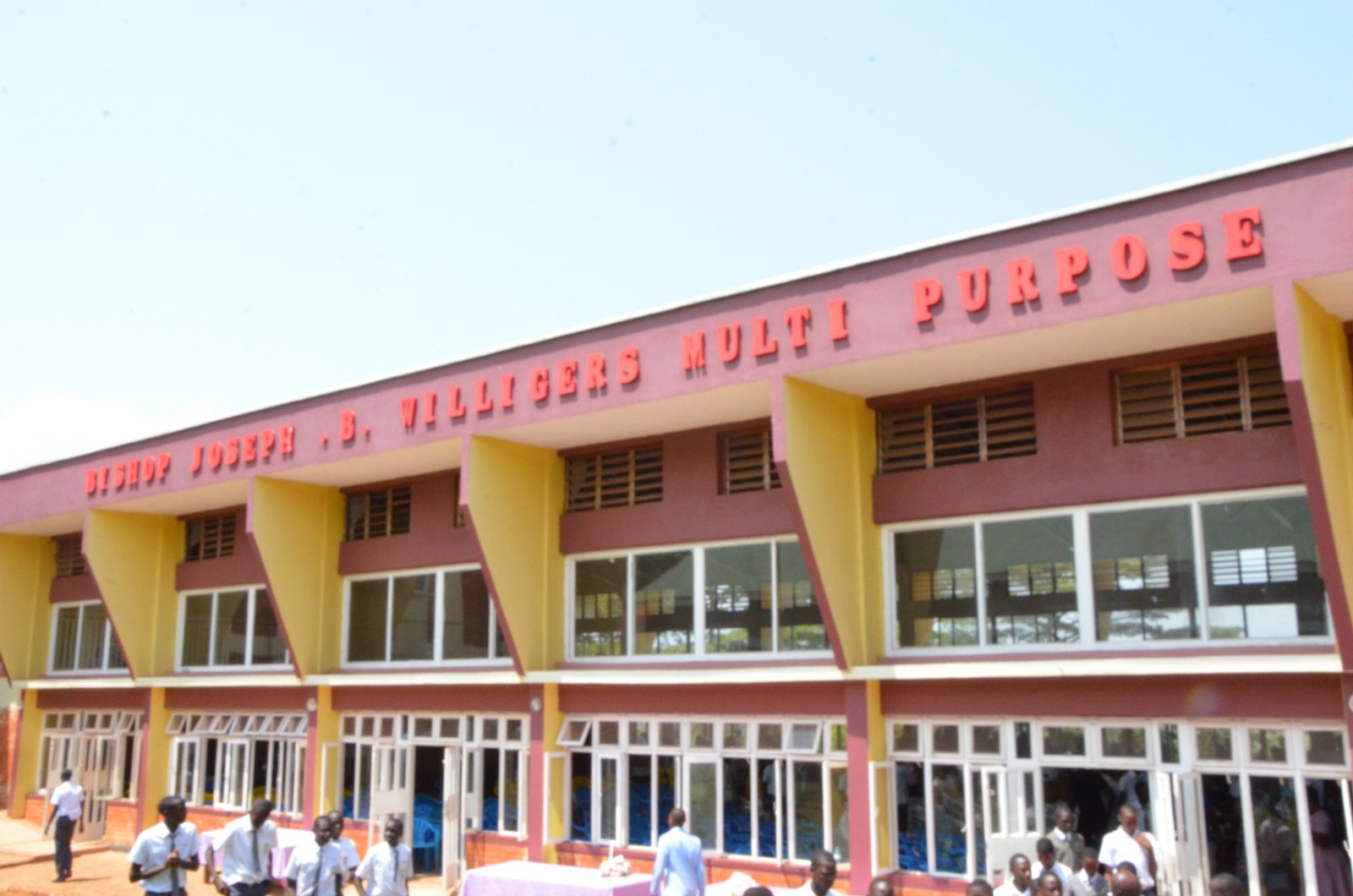
Busoga College Mwiri is again drawing pupils who, a few years ago, would have decamped to Kampala.

By Daniel Okello, Eastern Region Correspondent
Published 8 min read
Read summarized version with:
For the better part of two decades, the most ambitious families of the Busoga sub-region did the same calculation: a bright child meant a bus ticket to Kampala. The strong schools were in Wakiso and the capital, the reasoning went, and a serious O or A level meant leaving Jinja behind. That calculation is quietly being redone. Busoga College Mwiri, the area’s historic flagship on the hill above the Nile, is once again the school that able local children are choosing first.
The drain was real and it was old. Through the lean years, Busoga’s reputable schools watched their cleverest entrants sit the same selection exams as everyone else and then enrol somewhere in central Uganda instead. The pattern fed on itself: each departing cohort thinned the next, weakening results, which in turn justified the next round of departures. A region that produces no visible success stories struggles to keep the families capable of producing them.
What has changed is not a single dramatic event but the accumulation of several unglamorous ones. The science blocks that had decayed have been renovated. A teaching workforce that used to churn now stays put long enough to know its pupils. And the UNEB results, the only currency that finally counts, have climbed steadily enough that parents notice without being told.
District officials, asked to account for the turn, tend to list the same three things. The first is infrastructure: renovated laboratories and refurbished dormitories that make a school feel like an institution rather than a holding pen. The second is results, the Division 1 and Division 2 counts at UCE and the cleaner A level passes that schools can actually advertise. The third is harder to measure and arguably matters most: pride.
Pride is a regional pull. It is the old student who, having made money in Kampala or abroad, channels some of it back into the school on the hill rather than into a new venture elsewhere. It is the parent who decides, almost as a civic act, that the sub-region is worth backing with their own child. These are not line items on a budget, but they shape the budget all the same.
We stopped asking our best children to leave in order to succeed. The day a parent in Iganga lists Mwiri above a Kampala school without flinching, that is the day the region turned.
Heads in the sub-region are candid that the gains are reversible. A revival built on goodwill and a few good results can be undone by the same forces that hollowed the region out in the first place. The factors that decide whether this decade holds are deliberately mundane:
The honest answer is that nobody yet knows. The trajectory is encouraging and the explanations are credible, but a sub-region that took twenty years to drain will not be refilled in three good ones. What the Busoga schools have bought themselves is the most valuable thing a recovering institution can have: a reason for the able child to stay, and for the family weighing the bus ticket to decide, this year, not to buy it.
For parents across Jinja, Iganga, Kamuli and Mayuge, the practical lesson is to look again. The school that an older sibling left a decade ago is not the school it is today, and the case for keeping a bright child closer to home is now, for the first time in a long while, a serious one.
Discover, compare and shortlist schools across every curriculum in Uganda.
Browse schoolsThe practical effect for sixth-formers: a narrower but better-resourced menu, and tighter cut-offs.
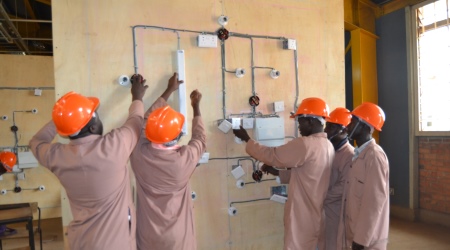
The case for technical education used to be made apologetically. The new infrastructure makes it without apology.

Praecip indexed leadership changes at 1,200 secondary schools. Nearly one in eight had a new head appointed last year, the highest churn since 2020.
Newsletter
One considered email a month, the pieces worth your time, and nothing else.
Praecip keeps editorial independent: our verdicts are never for sale, and any sponsored piece is clearly labelled.