
News8 min
The quiet revival of the Busoga sub-region schools
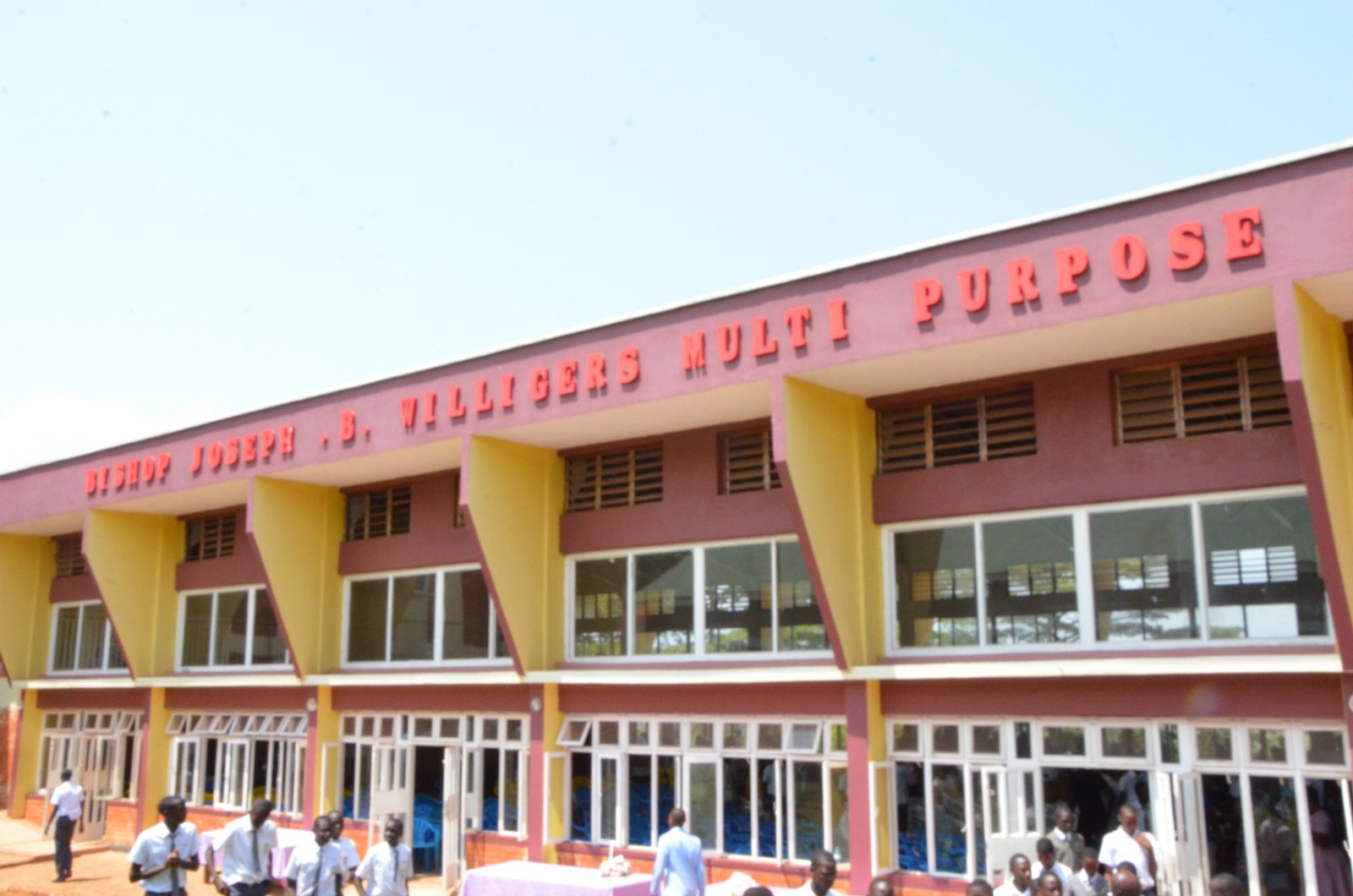
Busoga College Mwiri is again drawing pupils who, a few years ago, would have decamped to Kampala.
13 Jun 2026Read
News
The practical effect for sixth-formers: a narrower but better-resourced menu, and tighter cut-offs.


By Aisha Nakato, Higher Education Correspondent
Published 8 min read
Read summarized version with:
Uganda has long treated Makerere University as a fixed point: the destination that the country’s best A level leavers aimed for, in roughly the shape they expected to find it. That assumption no longer holds. The university is trimming a further batch of undergraduate programmes, continuing a multi-year shift that moves weight away from teaching breadth and towards research. For the sixth-formers drawing up applications this year, the practical effect is a narrower but better-resourced menu, and tighter competition for the courses that survive.
The programmes on the chopping block are, by the university’s account, the low-enrolment and duplicative ones: courses that attract a handful of students each year, or that overlap so heavily with a stronger neighbour that running both is hard to justify. Consolidating them frees staff time, laboratory space and supervision capacity for the programmes that remain, and for the postgraduate and research work the institution increasingly defines itself by.
There is a national logic to it. A research-intensive university is judged, internationally, on the work it produces rather than the sheer number of undergraduate seats it sells. Funders, rankings and partner institutions all reward depth. Concentrating resources on fewer, stronger programmes is the conventional route to that depth.
The university frames the move as focus. Critics call it retrenchment, the quiet shrinking of access dressed up as strategy. Both readings can be true at once. A course that genuinely served only a dozen students may be a luxury the institution cannot afford; a course that served a particular regional or vocational need may also have been the only realistic route into higher education for the students who took it. Pruning rarely cuts cleanly along the line between waste and value.
A university can be both sharper and smaller at the same time. The question parents should ask is which of those two words describes the course their child actually wants.
For applicants, the most immediate consequence is mechanical. Fewer programmes, with the same or rising demand behind them, means more pressure on the cut-off points for the courses that remain. A surviving programme inherits some of the demand that the cancelled ones used to absorb, and its entry weight climbs accordingly. The UACE results that comfortably secured a place two intakes ago may not do so now.
The practical adjustments for a sixth-former planning an application are few but firm:
The signal to secondary schools is plain: the destinations their leavers aim for are moving, and the university guidance offered in the staff room has to move with them. A careers teacher working from a two-year-old prospectus is now actively misinforming pupils. Schools that track where their leavers actually go, the universities, the programmes, the results those programmes demanded, are far better placed to advise the next cohort than those still working from reputation and memory.
For parents, the takeaway is to treat the application year as a live problem rather than a settled one. The map of Ugandan higher education is being redrawn while their children are deciding where to apply, and the families who do best will be the ones who read the new map rather than the old one.
Discover, compare and shortlist schools across every curriculum in Uganda.
Browse schoolsBusoga College Mwiri is again drawing pupils who, a few years ago, would have decamped to Kampala.
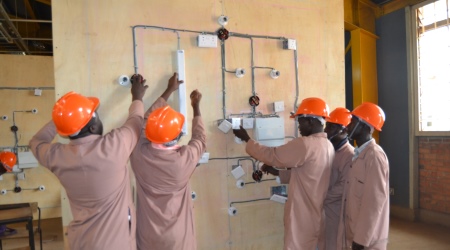
The case for technical education used to be made apologetically. The new infrastructure makes it without apology.

Praecip indexed leadership changes at 1,200 secondary schools. Nearly one in eight had a new head appointed last year, the highest churn since 2020.
Newsletter
One considered email a month, the pieces worth your time, and nothing else.
Praecip keeps editorial independent: our verdicts are never for sale, and any sponsored piece is clearly labelled.