
News8 min
The quiet revival of the Busoga sub-region schools
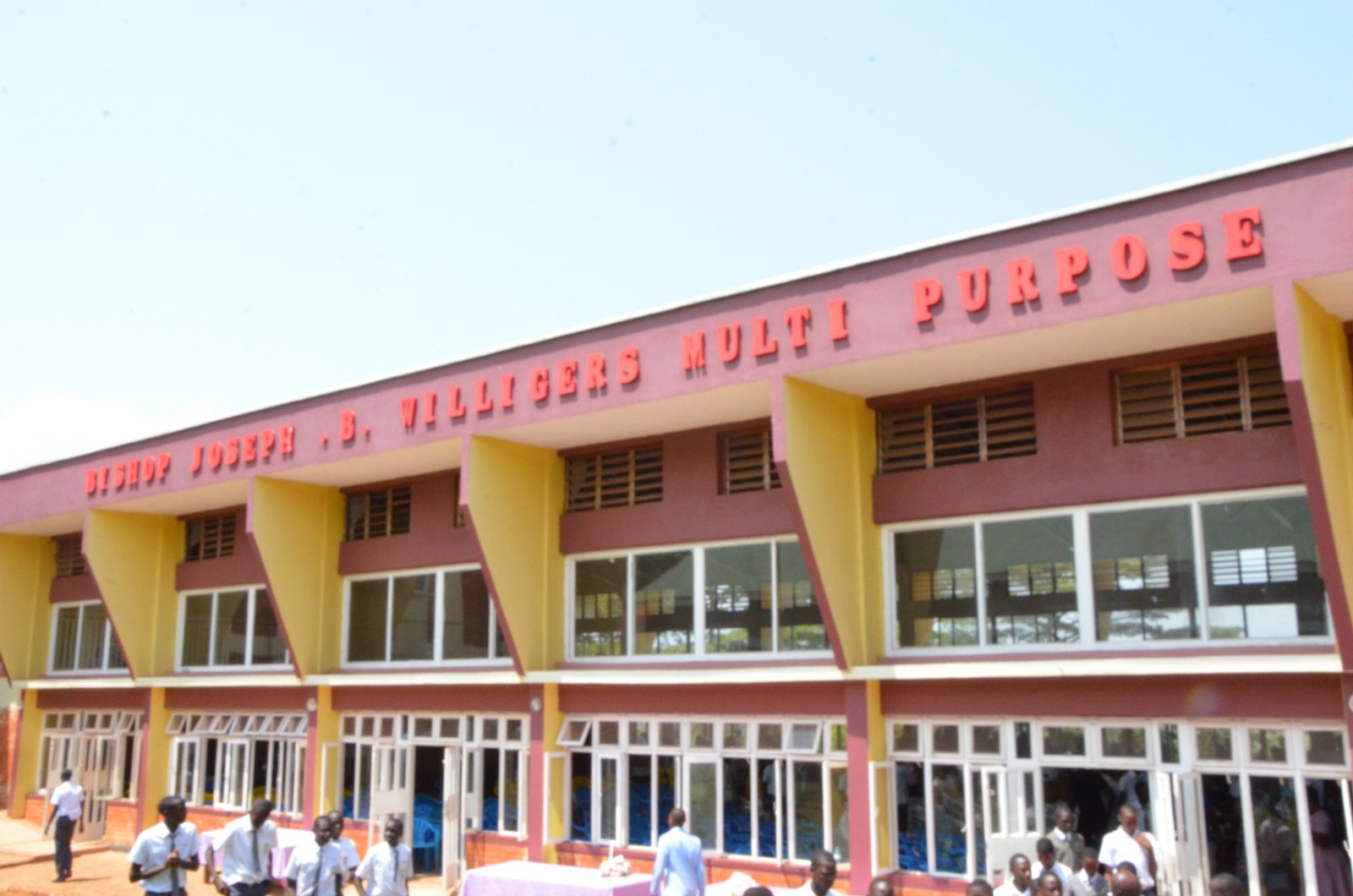
Busoga College Mwiri is again drawing pupils who, a few years ago, would have decamped to Kampala.
13 Jun 2026Read
News
Praecip indexed leadership changes at 1,200 secondary schools. Nearly one in eight had a new head appointed last year, the highest churn since 2020.


By Brian Ssali, Data & Rankings Editor
Data and rankings editor turning UNEB results and fee tables into plain reads.
Published 8 min read
Read summarized version with:
Of the 1,200 secondary schools in Praecip’s active index, 144 appointed a new substantive head teacher during the 2025 academic year. That is a 12% annualised turnover rate, nearly one school in eight, and the highest single-year figure we have measured since the pandemic-affected 2020 cycle. A churn rate that high is not noise; it is a signal about how the sector hires, governs and parts with the people it puts in charge.
The turnover is not spread evenly. It concentrates in mid-tier private schools, while the top decile and the bottom decile both run leadership tenures above eight years. The extremes are stable for opposite reasons: the strongest schools retain heads because the post is prized, and the weakest retain them because few candidates are competing for the job. It is the crowded middle, where ambition meets thin governance, that does the churning.
That last finding is the one with consequences for pupils rather than administrators. A leadership change is not a neutral event on the calendar; it tends to coincide with the cohort that posts the school’s weakest recent result. For a parent, a school that has just changed head is a school in a predictable dip, and worth a question or two before committing.
We talked to nine outgoing heads, four incoming heads and two board chairs. The recurring theme was governance, not pay. Heads who left early described an unclear remit, a board that managed by surprise, or a founding owner who never fully delegated the authority that came with the title. Almost none led with salary as the reason they left.
I was hired to run the school and then never allowed to. The owner kept the keys to every decision that mattered. I lasted two years; the next head will last about the same unless the charter changes.
The schools that retain their leaders are not always the ones that pay best. They are the ones that hire on a clear charter, a defined remit, a real delegation of authority, and an agreed set of measures, and then review the head against it rather than against the mood of a board meeting. Clarity, it turns out, retains better than cash.
For boards, the lesson is to fix the governance before blaming the candidate: a head who fails inside three years is often a symptom of an unclear remit, not a hiring mistake. For parents, a recent change of head is a reason to ask how the handover is being managed, whether the new head has a clear mandate, and what the school is doing to protect the next exam cohort from the dip the data predicts.
Discover, compare and shortlist schools across every curriculum in Uganda.
Browse schoolsBusoga College Mwiri is again drawing pupils who, a few years ago, would have decamped to Kampala.
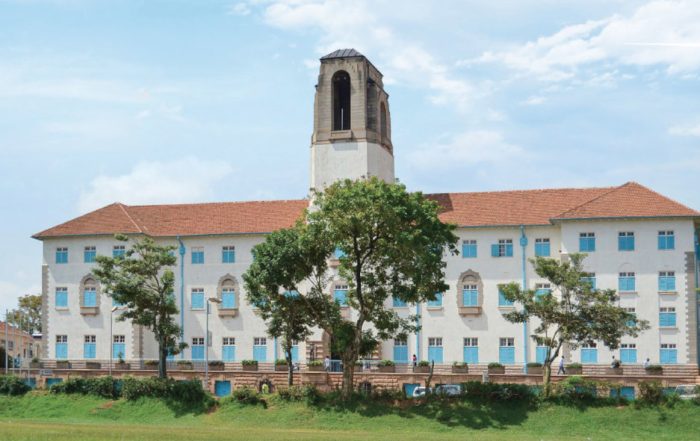
The practical effect for sixth-formers: a narrower but better-resourced menu, and tighter cut-offs.
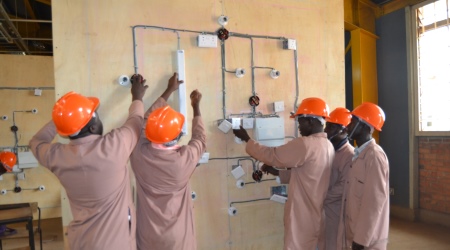
The case for technical education used to be made apologetically. The new infrastructure makes it without apology.
Newsletter
One considered email a month, the pieces worth your time, and nothing else.
Praecip keeps editorial independent: our verdicts are never for sale, and any sponsored piece is clearly labelled.