
Profile8 min
Bro Martin Wanambwa and the long game at St Henry's Kitovu
A veteran Brother on why a great boys' school is built in decades, not exam seasons.
9 Jun 2026Read
Profile
The Head of School at ISU on holding international standards while staying rooted in Uganda.
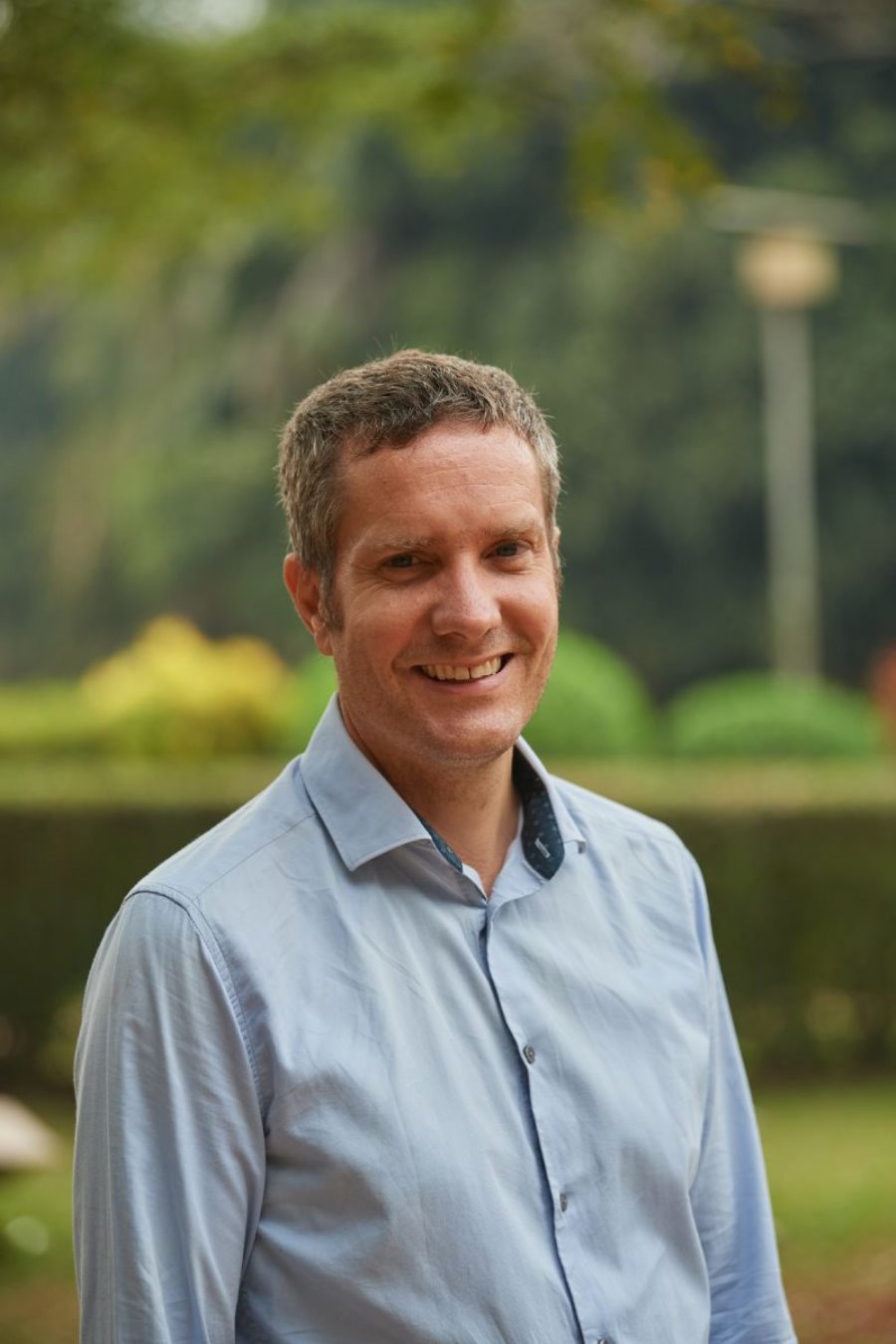

By Aisha Nakato, Education Correspondent
Published 8 min read
Read summarized version with:
Daniel Todd runs the International School of Uganda, an IB World school in Lubowa whose families arrive from across the region and from the diplomatic and corporate communities of Kampala. The brief is an unusual one. He must deliver an education portable enough to follow a child to any country in the world, without letting the school float free of the one it actually sits in.
Todd is candid that an international curriculum is expensive and exacting to run. Authorisation as an IB World school is costly and never permanent; it must be earned and re-earned. The workload it places on teachers is real, the planning, the moderation, the documentation. And the parent base, drawn from globally mobile professional families, arrives with high expectations and the experience to know whether they are being met.
His answer to all of this is deliberately unglamorous. The temptation, in the international sector, is to compete on prestige, on facilities and branding and the language of world-class everything. Todd argues the opposite: that the way to be a good international school is to be relentlessly good at the ordinary things, well-planned lessons, honest reporting to parents, and pastoral care that notices the quiet child as readily as the loud one.
The danger he is most wary of is the bubble. An international school in a developing country can quietly become an enclave, a piece of somewhere else dropped onto Ugandan soil, whose pupils pass through years of their childhood without ever really knowing the city beyond the gate. Todd regards that as a failure, not a feature. ISU’s pupils, he says, should know Kampala, and the school works at the partnerships and the service programmes that keep the link alive.
A child can leave here with a passport to any university on earth and still have learned nothing about the country they grew up in. That would be a kind of failure, however good the results looked.
The standards Todd talks about are not the ones a glossy prospectus leads with, which is rather his point:
For families weighing the IB in Uganda, Todd’s pitch is plain and refreshingly free of salesmanship. The Diploma is the most portable qualification on offer in the country, the credential that travels most smoothly to universities across the world, which is precisely why it suits the mobile families ISU serves. But portability alone guarantees nothing.
The qualification, he insists, only pays off if the school behind it is doing the unglamorous work well. A famous curriculum delivered by an indifferent school is worth less than a modest one delivered with care. The question a parent should ask, then, is not whether a school offers the IB, but whether it offers the ordinary excellence, the good lessons, the honest reports, the noticed child, that lets the IB do what it promises.
Discover, compare and shortlist schools across every curriculum in Uganda.
Browse schoolsA veteran Brother on why a great boys' school is built in decades, not exam seasons.
King's College Budo opens the year under its first internal appointment to the headship in over a decade.
The head mistress carrying forward one of the south-west's most exacting girls' schools.
Newsletter
One considered email a month, the pieces worth your time, and nothing else.
Praecip keeps editorial independent: our verdicts are never for sale, and any sponsored piece is clearly labelled.