
News8 min
The quiet revival of the Busoga sub-region schools
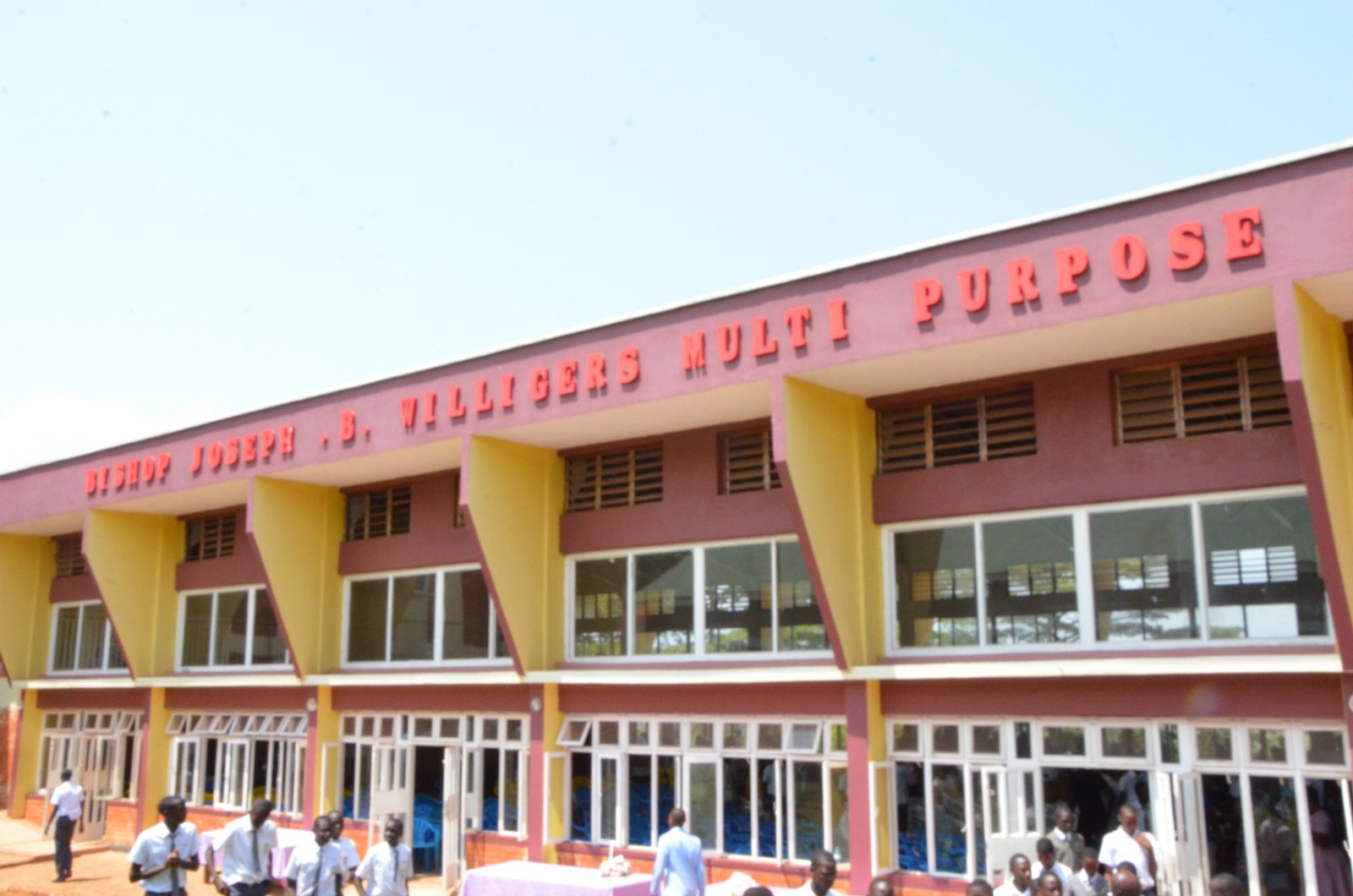
Busoga College Mwiri is again drawing pupils who, a few years ago, would have decamped to Kampala.
13 Jun 2026Read
News
Solar, rainwater and kitchen gardens started as savings measures. Now they are a point of pride.


By Joan Namatovu, Sustainability & Campus Reporter
Reporter on campus infrastructure, sustainability and the cost of running a school.
Published 9 min read
Read summarized version with:
It is tempting to imagine that the schools cutting their carbon footprint were moved by a sense of planetary duty. The truth, in most cases, is more prosaic and more durable. The road to a greener campus ran straight through the bursar’s ledger. A boarding school in Uganda fights a constant battle with three punishing costs, electricity, water and the price of feeding hundreds of pupils three times a day, and the measures that happen to be green turned out, first of all, to be the measures that happened to be cheaper.
The logic is plain once you see the bills. A solar array, expensive to install, pays for itself against years of a brutal grid-power account and the diesel that backs it up. Rainwater harvesting tames a water bill in a country where supply is neither cheap nor reliable. A kitchen garden, tended as part of the agriculture lesson, trims the single largest recurrent cost a boarding house carries. None of these began as an environmental gesture. They began as a bursar trying to balance a budget, and discovered that the cheapest path and the greenest path were, often, the same path.
That origin is the point, not an embarrassment. A sustainability measure adopted out of conviction can be cut the moment money tightens. A sustainability measure adopted because it saves money is defended at every board meeting, because the savings are visible in the accounts. The schools furthest along did not need to choose between thrift and the environment. The thrift was the engine.
What is striking is what happened next. At the schools that committed, the measures stopped being merely a line in the budget and became part of how the school understood itself. The transition from cost-cutting to identity is the part that surprised the heads themselves.
We did not put up the solar panels to save the planet. We put them up to save the school. That they did both is the happy accident the pupils now take for granted.
The schools that have gone furthest discovered a virtuous loop between the physical campus and the teaching. A garden that feeds the kitchen is also a living laboratory for the agriculture class. A solar installation is a worked example for the physics and economics of energy. A recycling scheme run by pupils teaches stewardship more convincingly than any assembly on the subject. The plant generates lessons, and the lessons generate the pupil ownership that keeps the plant working. Each side props the other up.
This is also why a green campus, once embedded, is hard to reverse. A system that exists only on a balance sheet can be unwound by a new bursar. A system woven into the curriculum and run, in part, by the pupils has a constituency. The children expect the garden, the agriculture teacher needs it, the savings defend it. Sustainability that started as thrift has become, at these schools, simply how things are done.
The encouraging part of the story for the wider sector is that nothing here depends on a wealthy donor or an unusual mission. The measures pay for themselves, which means they are within reach of any school willing to make the initial investment and patient enough to wait for the returns. A head looking at a punishing power bill in UGX, a water account that never falls, and a food budget that swallows the fees does not need to care about carbon to act. The cost case is sufficient. The carbon saving, and the curriculum that grows up around it, come free with the thrift.
Discover, compare and shortlist schools across every curriculum in Uganda.
Browse schoolsBusoga College Mwiri is again drawing pupils who, a few years ago, would have decamped to Kampala.
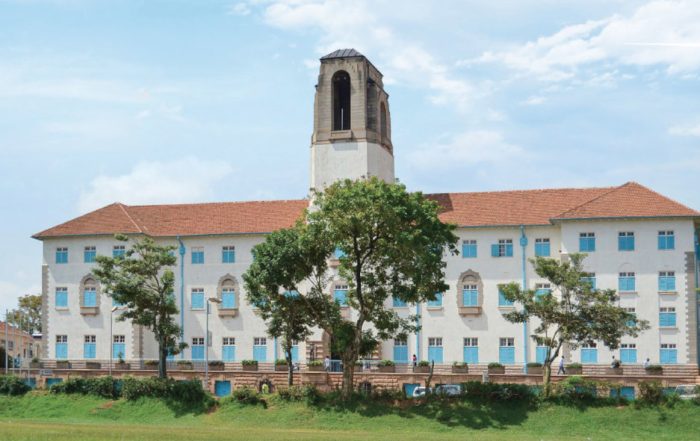
The practical effect for sixth-formers: a narrower but better-resourced menu, and tighter cut-offs.
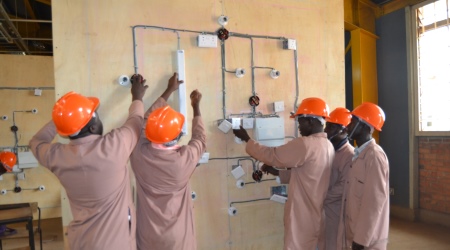
The case for technical education used to be made apologetically. The new infrastructure makes it without apology.
Newsletter
One considered email a month, the pieces worth your time, and nothing else.
Praecip keeps editorial independent: our verdicts are never for sale, and any sponsored piece is clearly labelled.