

Insight3 min
8 questions every parent should ask on a school visit
The prospectus is polished. These questions get you past it to how the school actually runs.
4 Jun 2026Read
Insight
Read a school's founding story as a clue to its culture, not just its chapel timetable.

By Aisha Nakato, Education Correspondent
Published 8 min read
Read summarized version with:
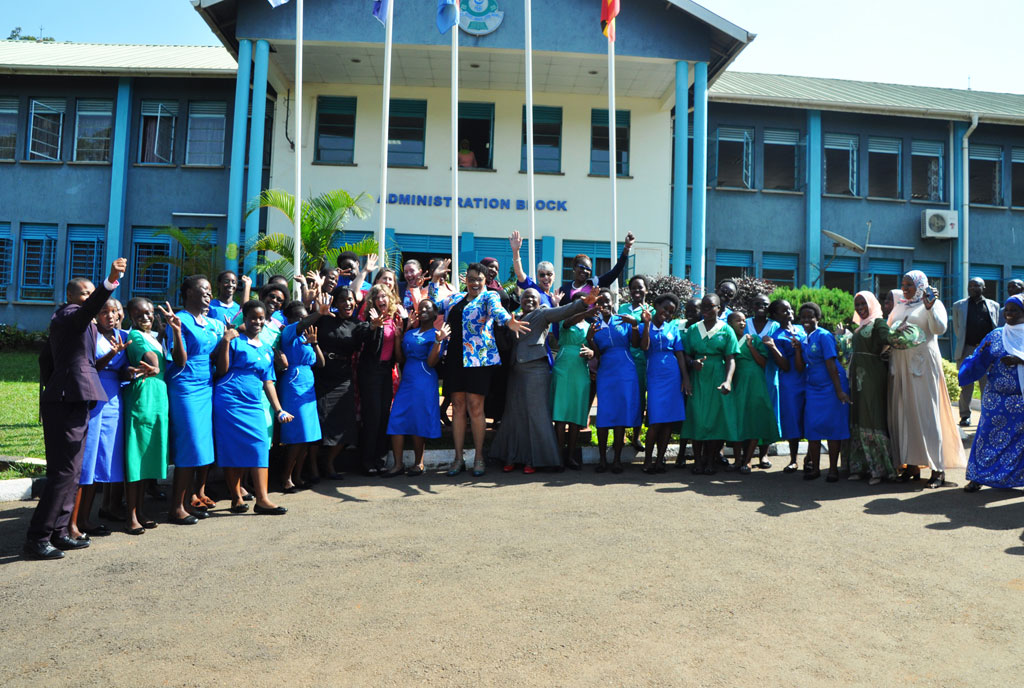
Several of Uganda’s strongest girls’ schools share a single founding thread: a faith community that built them to educate girls at a time when few others would. Nabisunsa Girls’ School is the obvious example, but the pattern repeats across denominations, and it carries a lesson for any parent choosing a school. The founding story is not decoration. It is a clue to the culture a school still runs on today.
The faith-founded girls’ schools were established with a particular conviction: that educating girls was worth doing, seriously and at scale, when the surrounding society was at best ambivalent about it. That origin left a mark on their institutional character. A school founded to prove that girls could learn does not, generations later, quietly assume they cannot. The ambition is baked in, not bolted on.
The Nabisunsa model, as it has come to be called, pairs firm pastoral structures with a quiet confidence about academic ambition for girls. The two are not in tension; they reinforce each other. The structure is what makes the ambition safe to pursue.
It is easy to caricature a faith-founded school as all discipline and chapel, or conversely as all warmth and no rigour. The stronger schools in this tradition are neither. They run firm pastoral systems, clear expectations, close follow-up, a sense that someone is paying attention, precisely so that girls can take academic risks without the floor falling away beneath them. A girl who feels held is a girl who will attempt the harder subject.
We were never founded to keep girls safe and quiet. We were founded to prove they could do the difficult thing, and that conviction did not expire.
The claim that heritage shapes outcomes would be empty if it could not be seen in the numbers and the daily life of the school. In these schools, it shows up in concrete places:
The temptation is to treat a school’s religious heritage as a matter of the chapel timetable, a set of services and observances to be tolerated or appreciated according to a family’s own convictions. That misses the point. The heritage is not nostalgia and it is not only worship. It is the source of the institution’s expectations about what its girls are for, and those expectations outlast any individual head teacher or chaplain.
For parents, then, the practical lesson is to read the founding story as evidence. Ask why a school was built, by whom, and to do what. A school founded to educate girls when the odds were against it tends, decades later, to still believe girls can do the hard thing. That belief, more than any single facility or result, is what a family is actually buying.
Discover, compare and shortlist schools across every curriculum in Uganda.
Browse schoolsThe prospectus is polished. These questions get you past it to how the school actually runs.

The transition is as much emotional as practical. A little groundwork makes the first term far easier.

Reading the RFP, pricing the bid, and the documentation that gets you shortlisted instead of binned. The end-to-end on tendering to schools.
Newsletter
One considered email a month, the pieces worth your time, and nothing else.
Praecip keeps editorial independent: our verdicts are never for sale, and any sponsored piece is clearly labelled.