

Curriculum8 min
IB in Uganda: where it is, what it costs, who it serves
Four schools currently authorised. Here is what each one does well, and where the curriculum hits friction.
19 Feb 2026Read
Short, practical explainers for students and the parents who sponsor them, destination guides with true costs, a step-by-step application timeline, and the documents to gather for each pathway.
Four established routes for Ugandan students. Costs use broad guidance bands, confirm exact figures with each institution.
 🇬🇧 United Kingdom
Globally ranked universities, one-year master's, and a post-study Graduate Route that lets graduates stay to work.
Visa: Student visa (Route). Graduate Route allows 2 years post-study.
 🇺🇸 United States
The widest range of programs and the most generous merit and need-based aid for strong applicants.
Visa: F-1 student visa. Optional Practical Training (OPT) after study.
 🇨🇦 Canada
Affordable relative to the US, welcoming to international students, with clear post-graduation work pathways.
Visa: Study permit. Post-Graduation Work Permit available.
 🇦🇺 Australia
Strong research universities, a safe study environment, and post-study work rights in many fields.
Visa: Subclass 500 student visa. Temporary Graduate visa after study.
 Decision guide
 Funding
 For sponsors
 Vetting
 Anti-fraud
 For parents
Twelve steps from first research to travel. Most families work backwards from the intake they are aiming for.
Shortlist countries by course, cost and visa route.
3–6 realistic options across reach and safe choices.
Grades, English level, prerequisites.
Transcripts, references, statements.
IELTS / TOEFL / SAT / GRE as needed.
Submit before institutional deadlines.
Track each deadline separately.
Compare conditions and funding.
Proof of funds, medical, biometrics.
Confirm before you travel.
Banking, safety, culture, packing.
Arrive prepared and settle in.
Requirements vary by institution and visa route, always confirm the exact list from the official offer or notice.
With the groundwork in hand, the next move is funding and a shortlist. Open the scholarships desk, or head back to the hub to pick your pathway.
From Trends & Insights
Four schools currently authorised. Here is what each one does well, and where the curriculum hits friction.

A practical checklist for parents weighing the decision, from results to the things the prospectus never mentions.
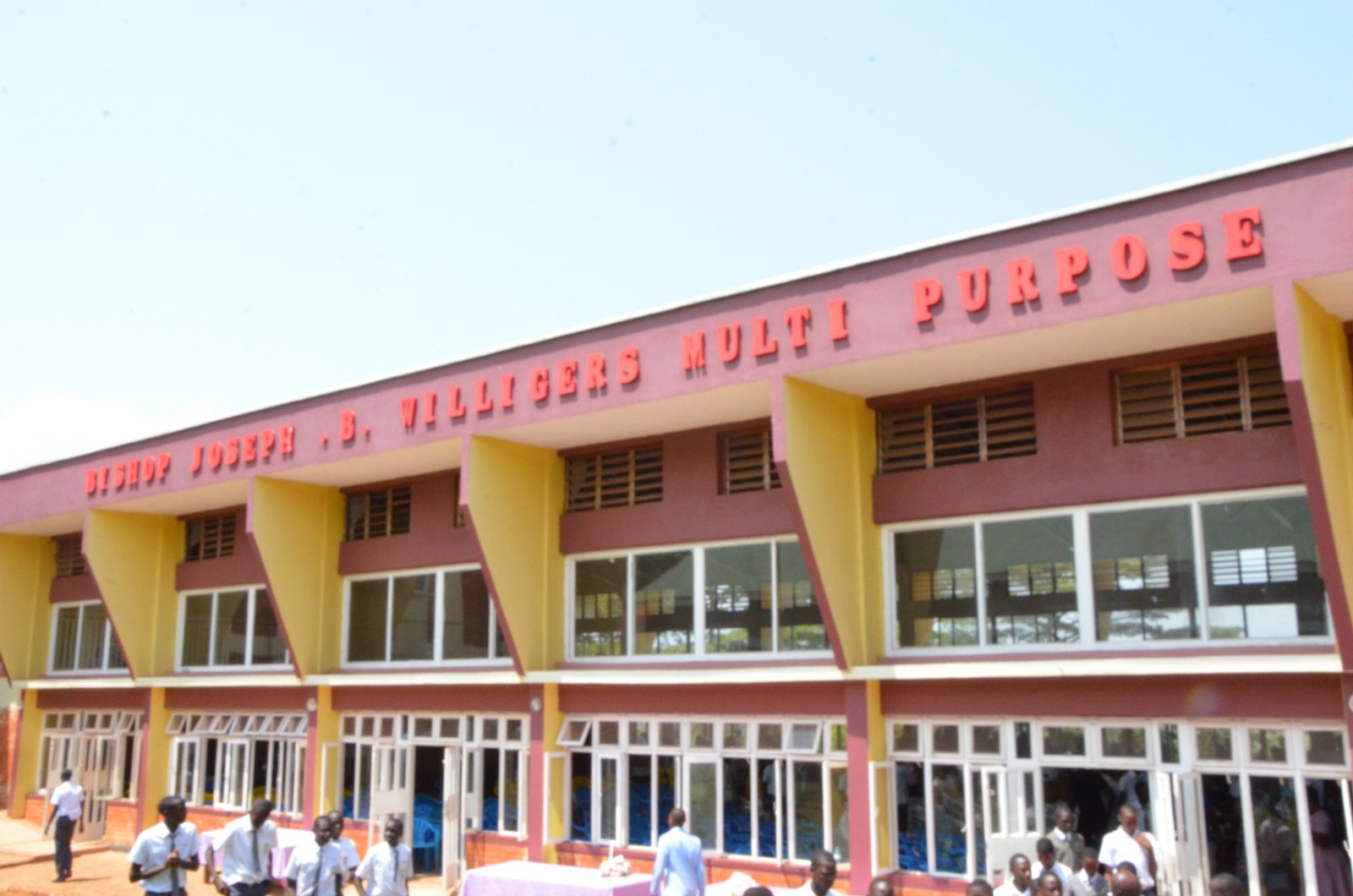
Busoga College Mwiri is again drawing pupils who, a few years ago, would have decamped to Kampala.
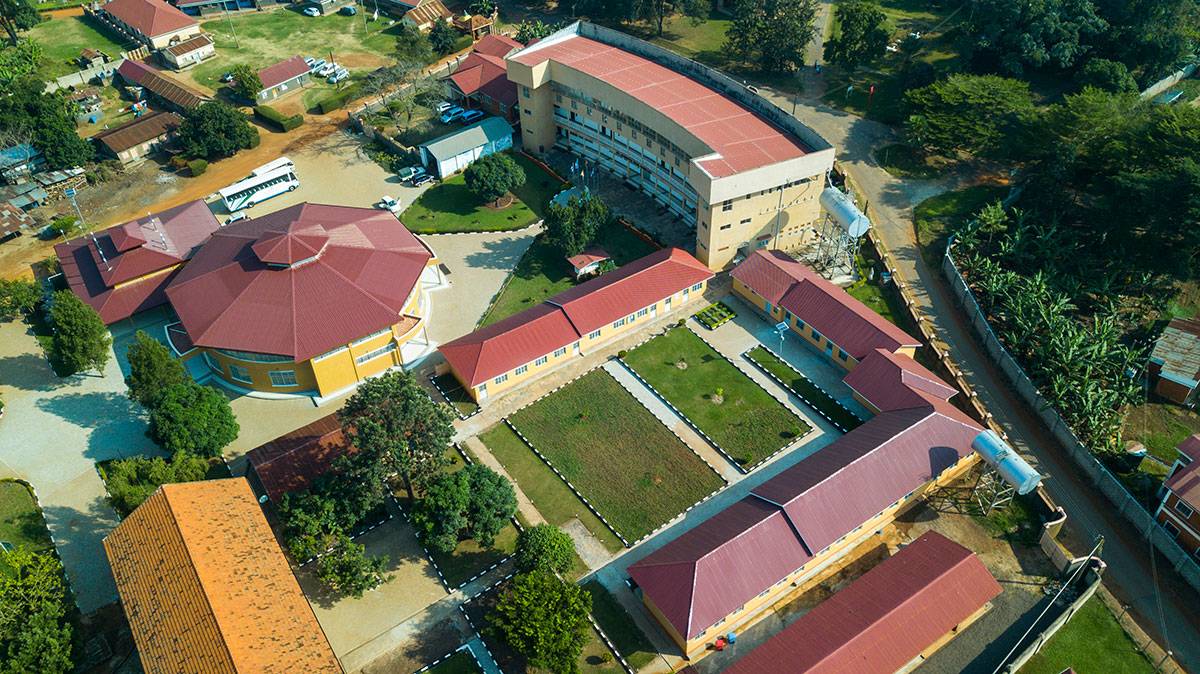
How a solid-but-unremarkable Mukono school became one of the most-improved in central Uganda.