
Profile8 min
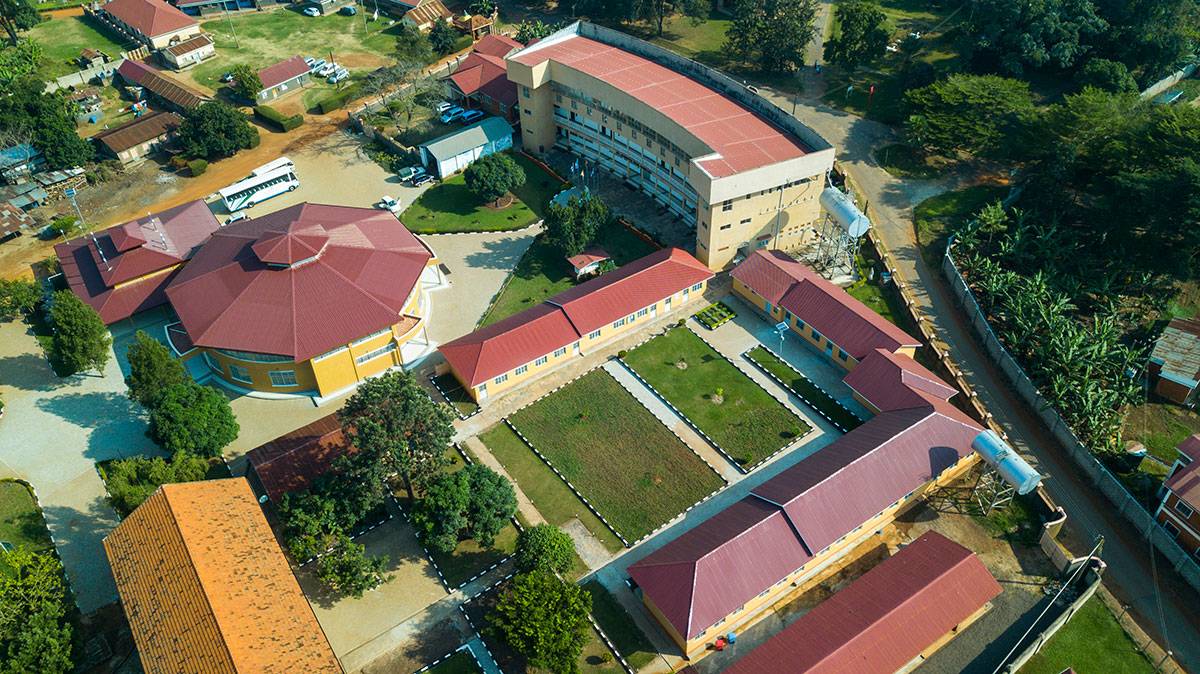
The continued rise of St Joseph's SS Naggalama
How a solid-but-unremarkable Mukono school became one of the most-improved in central Uganda.
10 Jun 2026Read
Profile
Why the boys on the Hill keep beating better-resourced schools at the national finals.

By Joshua Mwesigwa, Senior Editor
Published 7 min read
Read summarized version with:
For the third year running, the first XV of King's College Budo has reached the Coca-Cola Schools' Rugby final, and once again it has done so without the imported coaching budget that several Kampala schools openly flaunt. The result reads like an upset to anyone who totals up the money on each touchline. To anyone who has watched the Hill develop players over a decade, it reads like the system working exactly as designed.
Budo arrives at the national finals year after year against opponents who, on paper, should have overtaken them long ago: schools with turfed pitches, salaried specialist coaches flown in for a season, and gym equipment Budo simply does not own. The recurring question from the stands is how a grass-pitch school keeps doing it. The answer is dull, and that is the point.
Budo does not buy a team each season. It grows one, slowly, on a Saturday-fixture rhythm that has barely changed in years. The continuity that other schools try to purchase in a single transfer window, Budo accumulates one age group at a time.
What Budo has, instead of a budget, is a pipeline that never breaks. The U14s play the U16s in practice fixtures every Saturday. By the time a boy reaches S5 he has been tackled by older boys for three seasons running, and he has tackled younger boys for two. The institutional memory does not live in a coaching manual. It lives in the boys themselves, handed down the age groups like a house tradition.
That structure does three things money struggles to buy. It produces depth, so an injury in the first XV is covered by someone who already knows the patterns. It produces leaders, because the S6 boys have been coaching the juniors in all but name. And it produces a style of play that is consistent from one cohort to the next, because the cohorts taught each other.
We do not recruit a team in January. We inherit one. The boys who win the final in November were tackled into shape by boys who left two years ago.
Budo's pitch is grass. The first XV coach is an old boy who teaches Geography, not a hired specialist on a sports contract. Set against the schools it beats, the cost asymmetry is stark, and it is precisely the asymmetry that makes the Hill a useful counter-example.
Budo's record is a quiet rebuttal to the prevailing belief that sports excellence in Uganda requires foreign coaches and turfed pitches. The schools that have tried to buy a rugby program tend to find it travels poorly from one season to the next, while the Hill keeps reaching finals on a model any school could copy: regular age-group fixtures, alumni who stay involved, and the patience to let a cohort raise the one below it.
For parents weighing a school on its sporting reputation, the lesson is to look past the pitch and the kit and ask a harder question: does the program produce the same standard every year, or only when the budget is good? On that measure, the boys on the Hill keep answering for themselves.
Discover, compare and shortlist schools across every curriculum in Uganda.
Browse schoolsHow a solid-but-unremarkable Mukono school became one of the most-improved in central Uganda.
A veteran Brother on why a great boys' school is built in decades, not exam seasons.

King's College Budo opens the year under its first internal appointment to the headship in over a decade.
Newsletter
One considered email a month, the pieces worth your time, and nothing else.
Praecip keeps editorial independent: our verdicts are never for sale, and any sponsored piece is clearly labelled.