

News9 min
Western Region: Mbarara's academic heartland and its challengers
The South-West has long punched above its weight. We map who leads and who is catching up.
28 Mar 2026Read
News
The East is closing the gap on the central belt. The data, and the schools driving it.


By Hellen Acen, Education Reporter
Education reporter covering schools, inclusion and the regions beyond Kampala.
Published 9 min read
Read summarized version with:
For a long time the national conversation about good schools stopped at the Nile. The names that families traded, the institutions assumed to be the country’s best, sat almost entirely in the central belt around Kampala, with the occasional western outlier. The East, the broad sweep through Jinja, Mbale and Tororo, was treated as a place strong pupils left rather than a place they stayed. The 2025 results suggest that treatment is now a habit rather than a fact.
Compiled district by district, the gains are unmistakable. Schools across the eastern districts posted improvements in their UNEB division counts that, added up, measurably narrow the long-standing gap with the central belt. No single school accounts for it; that is what makes it interesting. A region recovers not when one institution has a good year but when a band of them improve together, which is what the numbers now show.
It would be premature to call the gap closed. The strongest central schools remain the strongest in the country, and a decade of underperformance is not erased in a season. But the direction of travel is clear, and direction, in education, is often more telling than position. A region that is improving across many schools at once is behaving differently from one that is merely producing the occasional exception.
The schools driving the shift are not of one type, which is part of why the recovery looks durable rather than fragile.
For years our best pupils boarded a bus to Kampala in Senior One. Now their parents ask why they would. That question, asked enough times, is how a region turns around.
The thread that runs through almost every riser is regional pull. The historic drain on the East was not only about facilities or teaching; it was about perception. Ambitious eastern families assumed that a serious education meant sending the child west, to a name in the capital, and so the ablest pupils were exported and the local schools were left with the impression that they could not compete. As eastern results improve, that calculation changes. A family weighing the cost of a Kampala boarding place against a strong school within reach increasingly chooses the school within reach, and every such choice strengthens the local institution further.
This is the beginning of a virtuous circle, and it is fragile in the way all such circles are. Good results draw a stronger next intake, a stronger intake produces better results, and the region’s schools gradually shed the reputation of being a fallback. But the loop only holds if the gains are sustained, if the staff who delivered them stay, and if the schools resist the temptation to grow faster than they can teach. Busoga’s revival, documented elsewhere in the eastern story, is the encouraging precedent and the cautionary one.
For families across Jinja, Mbale, Tororo and the surrounding districts, the practical lesson is to look east before assuming the answer lies west. The school an older relative dismissed a decade ago may now be among the region’s risers. For the schools themselves, the task is the unglamorous one of holding the gains: keeping teachers, running examinations cleanly, and converting one good year into a settled reputation. The data says the East is closing the gap. Whether it keeps closing depends on what these schools do in the years the headlines move on.
Discover, compare and shortlist schools across every curriculum in Uganda.
Browse schoolsThe South-West has long punched above its weight. We map who leads and who is catching up.

A generation after conflict disrupted schooling, Gulu and Lira are posting results that demand attention.
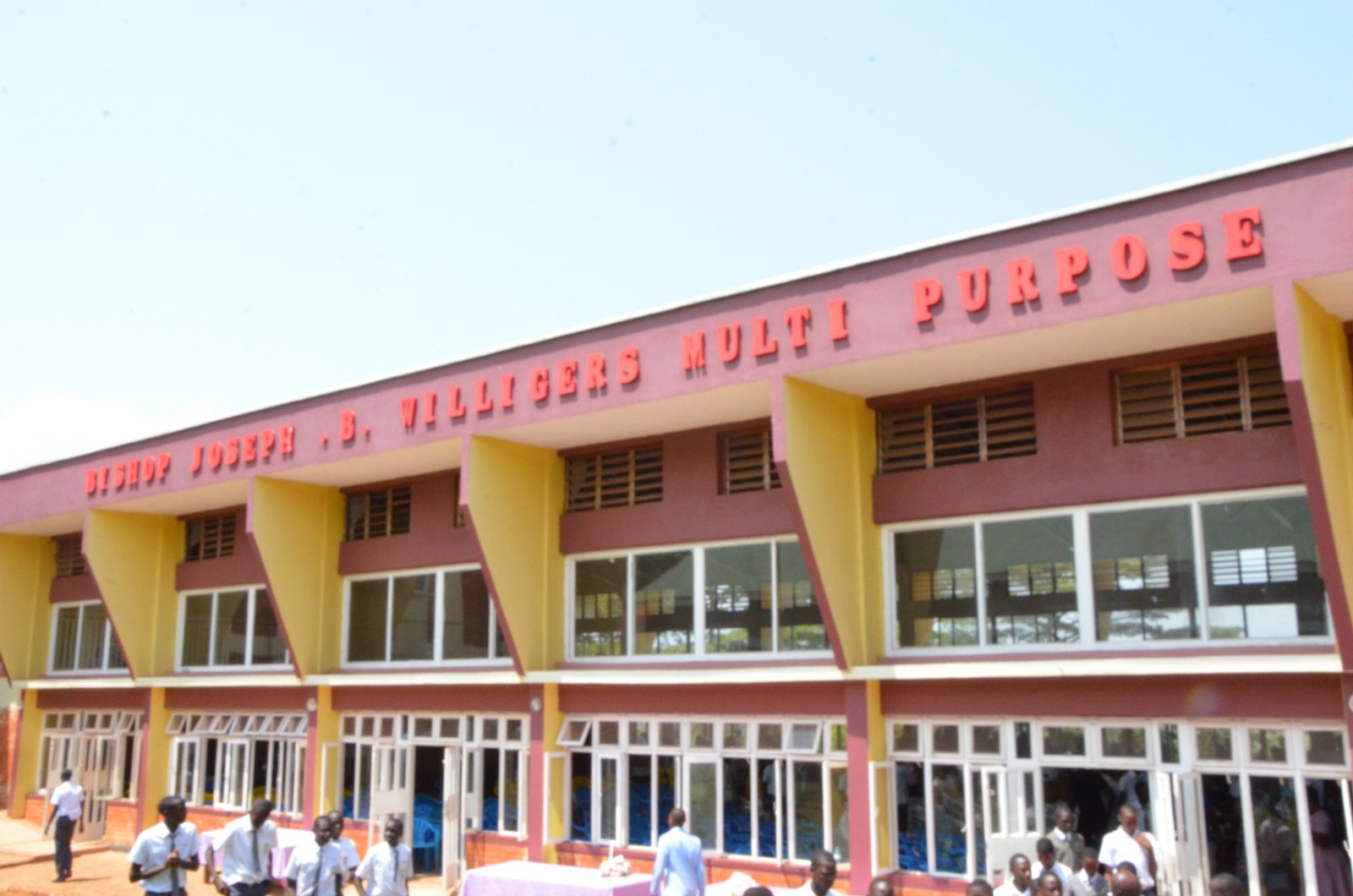
Busoga College Mwiri is again drawing pupils who, a few years ago, would have decamped to Kampala.
Newsletter
One considered email a month, the pieces worth your time, and nothing else.
Praecip keeps editorial independent: our verdicts are never for sale, and any sponsored piece is clearly labelled.