

News9 min
Western Region: Mbarara's academic heartland and its challengers
The South-West has long punched above its weight. We map who leads and who is catching up.
28 Mar 2026Read
News
A generation after conflict disrupted schooling, Gulu and Lira are posting results that demand attention.


By Daniel Kintu
Reporter covering admissions, fees and the business of running a school.
Published 9 min read
Read summarized version with:
There is a burden the schools of the north carry that no league table will ever record. For years, conflict emptied their classrooms, scattered their teachers and turned the ordinary business of schooling into something improvised in displacement camps and half-abandoned compounds. A generation lost the uninterrupted education that schools elsewhere took for granted. Two decades on, a cohort of schools across Gulu, Lira and Kitgum has done more than survive that history. It has begun, quietly, to compete nationally again.
To read the north’s recovery only through current UNEB aggregates is to miss most of the story. A division count tells you where a school is; it tells you nothing about how far it has had to travel to get there. The northern schools now posting respectable results did so after years in which the basic conditions of teaching, a safe classroom, a present teacher, a pupil who came every day, could not be assumed. Recovery from that is not a matter of one good cohort. It is a matter of patiently rebuilding an institution from the foundations up.
The heads we spoke to are, many of them, the people who taught through the displacement. They remember teaching pupils who had walked long distances to sleep in town for safety, holding lessons with whatever staff remained, keeping a register that conflict kept trying to erase. Those same heads now run schools to which their own former pupils send their children. That continuity, the teacher who stayed becoming the head who rebuilds, is the human core of the comeback.
The recovery has not come from any single intervention. It rests on several patient, unglamorous things layered over years.
We did not lose the school. We carried it. The buildings were empty for a time, but the idea of the school never closed. Rebuilding the walls was the easy part.
It would be easy, and slightly condescending, to frame the north’s schools as latecomers finally catching up with the rest of the country. The heads themselves reject that framing, and they are right to. Before the conflict, the region had a proud educational tradition; some of its schools were among the country’s respected names. The recent gains are less a region arriving for the first time than a region reclaiming a place it always held and was forcibly removed from. The distinction matters, because it changes what the recovery is measured against, not the national average, but the schools’ own history.
That history also shapes what these schools are good at. A school that taught through displacement has a hard-won understanding of pupils carrying difficulty into the classroom, and several of the northern institutions pair their academic recovery with pastoral care of a seriousness that schools spared such trauma rarely match. Resilience, here, is not a slogan on a wall. It is institutional memory.
The gains are real but not guaranteed. The north still contends with the long economic shadow of the conflict years, with families for whom fees in UGX remain a genuine barrier, and with the constant risk that good teachers, once recovered, are drawn south by better pay. Holding the comeback will require the same patience that produced it: keeping staff, sustaining the partnerships, and continuing to treat the school as an institution to be built rather than a result to be extracted. For families across Gulu, Lira and Kitgum, the practical news is simpler. The schools their region was known for are, once again, schools worth choosing.
Discover, compare and shortlist schools across every curriculum in Uganda.
Browse schoolsThe South-West has long punched above its weight. We map who leads and who is catching up.

The East is closing the gap on the central belt. The data, and the schools driving it.
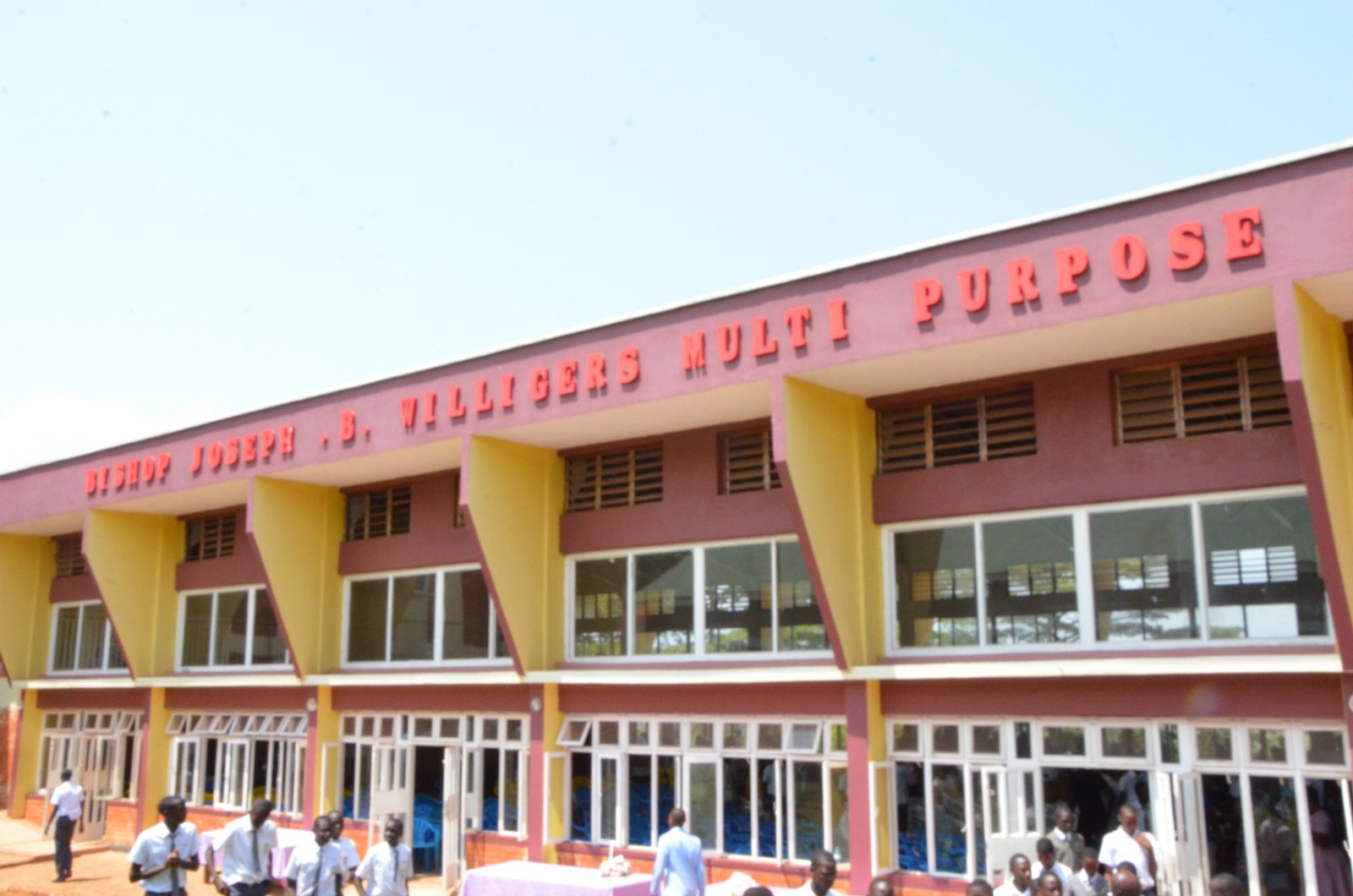
Busoga College Mwiri is again drawing pupils who, a few years ago, would have decamped to Kampala.
Newsletter
One considered email a month, the pieces worth your time, and nothing else.
Praecip keeps editorial independent: our verdicts are never for sale, and any sponsored piece is clearly labelled.