
News8 min
The quiet revival of the Busoga sub-region schools
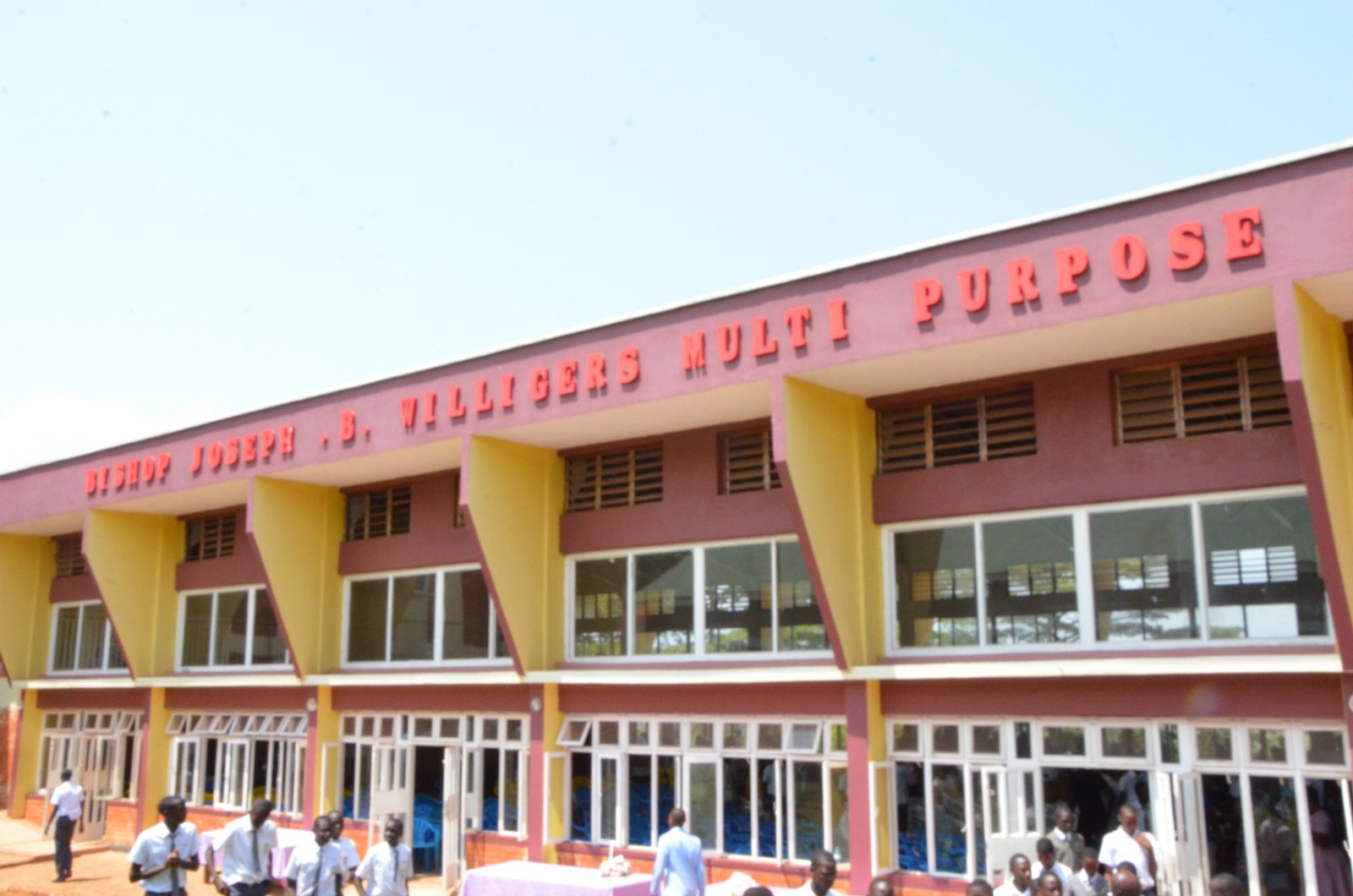
Busoga College Mwiri is again drawing pupils who, a few years ago, would have decamped to Kampala.
13 Jun 2026Read
News
Boarding intake is climbing in schools that were historically half-day. The reason is the Northern Bypass.


By Daniel Kintu
Reporter covering admissions, fees and the business of running a school.
Published 7 min read
Read summarized version with:
Headteachers across Wakiso district will tell you the same thing off the record: morning arrivals have slid by thirty to forty-five minutes over the last three years, and afternoon dismissals are starting earlier to compensate. The lost time is not a discipline problem. It is an infrastructure one, and it is reshaping how some of the district’s schools are choosing to operate.
The Northern Bypass and the Entebbe Expressway were built to move commuter traffic faster around and out of Kampala. They have done that, but they also reroute heavy commuter flows past school gates that were never positioned for it. A school that sat on a quiet feeder road a decade ago now finds its morning window competing with a regional traffic artery.
The arithmetic is unforgiving. An hour lost across the school day, split between a late start and an early dismissal, is roughly a sixth of contact time on a tight timetable. Over a term it compounds into lost lessons that no amount of evening prep fully recovers.
A handful of schools have responded by quietly expanding boarding capacity, in some cases even at primary level, where day attendance has historically been the norm. Boarding removes the commute from the equation entirely: the pupil is on site, the school day starts on time, and the lost first hour returns. For schools that were historically half-day, this is a structural shift in what they are.
The reaction from parents divides along the line of how they spend their own day. For working families, a longer or residential day is a feature, not a bug: it solves a childcare problem the commute had created and removes the daily anxiety of a child stuck in traffic. For families who value the evening at home, the drift toward boarding feels like a cost imposed by roads they never asked for.
We did not set out to become a boarding school. The road decided that for us, one lost morning at a time.
Wakiso’s experience is an early case of infrastructure quietly rewriting school operations. As the corridors around Kampala fill, the schools nearest the new arteries are likely to keep drifting toward boarding and later starts, and families choosing a school in the district would do well to ask not just about results but about the commute, the start time, and whether the school has a credible plan for the hour the traffic is trying to take.
Discover, compare and shortlist schools across every curriculum in Uganda.
Browse schoolsBusoga College Mwiri is again drawing pupils who, a few years ago, would have decamped to Kampala.
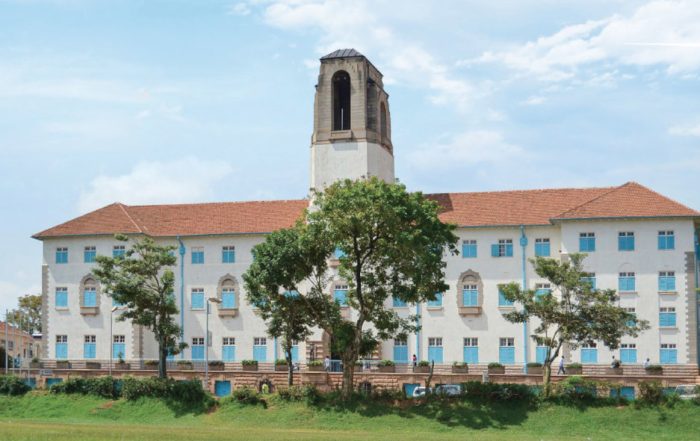
The practical effect for sixth-formers: a narrower but better-resourced menu, and tighter cut-offs.
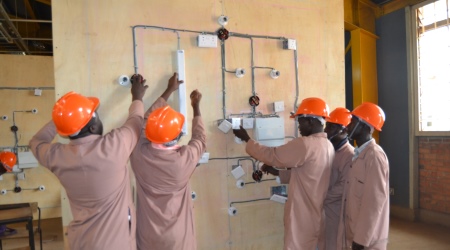
The case for technical education used to be made apologetically. The new infrastructure makes it without apology.
Newsletter
One considered email a month, the pieces worth your time, and nothing else.
Praecip keeps editorial independent: our verdicts are never for sale, and any sponsored piece is clearly labelled.