

Profile9 min
The educationists shaping Uganda's classrooms
The teachers and heads whose influence travels far beyond their own staffrooms.
8 May 2026Read
Profile
Some careers are measured in decades, and in the schools they leave standing. A look at three.

By David Okello, People & Profiles Writer
Profiles writer on the educators, founders and leaders behind Uganda’s schools.
Published 9 min read
Read summarized version with:
A lifetime in education leaves an unusual kind of monument. Not a building, though there are often buildings, but an institution that still runs, years later, on the standards one person spent four decades setting. We sat with three educators near the end of very long careers, each of whom can point to a school that would not exist at all, or would not be what it has become, without them. They are reluctant witnesses to their own importance, but the schools they leave standing make the argument more plainly than they ever would.
For all the differences in subject, region and temperament, their accounts share a rhythm that turns out to be almost universal among the educators who build things that last. It moves through three distinct phases, and each demands something different of the person living it.
That third phase is the one that distinguishes a builder of institutions from a merely excellent teacher. Many fine educators reach the end of a career and leave a vacuum behind them, the school faltering the moment they go because everything ran through them. The three we spoke to had each understood, somewhere in the middle of the journey, that an institution dependent on one person is not an institution at all. So they spent their last working years giving the work away.
None of the three is comfortable with the language of legacy. Pressed on it, they steer the conversation back to the pupils, to particular children remembered across forty years, to the ones who struggled and the ones who soared, rather than to anything as grand as a body of work. There is a generational modesty in this, and also a kind of wisdom. The educators who set out to build a legacy tend to build monuments to themselves; the ones who set out to teach well, year after year, and to leave the place better than they found it, build the things that actually last.
I never thought about a legacy. I thought about Monday. Do enough good Mondays, for enough years, and one day there is a school where there used to be a field.
The phrase, a school where there used to be a field, captures something the league tables never will. These careers are measured not in a single year’s results but in the distance travelled, from improvisation and scarcity to an institution that other families now treat as established and permanent. That distance is the real monument, and it is invisible to anyone who arrives only at the end and sees the finished school.
What makes these three educators worth recording is that the proof of their work is not their testimony but the schools themselves. An institution that still holds its standards a decade after its builder has gone is evidence of something a single brilliant year can never demonstrate: that the standards were built into the place rather than carried in one person’s head. The successors they trained run the schools now, in many cases having known no other way, and the culture persists because it was deliberately transmitted rather than merely demonstrated.
There is a lesson in this for a school system preoccupied with the short term. The educators who matter most over a lifetime are rarely the ones who post the single most spectacular result. They are the ones who build slowly, transmit deliberately, and leave behind an institution that does not need them. The careers measured in decades, and in the schools they leave standing, are the ones that quietly hold the whole system up.
At the end of these conversations, what lingers is not nostalgia but a sense of continuity. Each of the three will retire, and each has arranged things so that their retirement changes the school as little as possible, which they regard, rightly, as the highest compliment to their own work. The pupils they will never teach will be taught to standards they set; the successors they trained will train successors of their own. A lifetime in the classroom, done this way, does not end at the gate on the last day. It carries on in an institution built to outlast the person who built it.
Discover, compare and shortlist schools across every curriculum in Uganda.
Browse schoolsThe teachers and heads whose influence travels far beyond their own staffrooms.
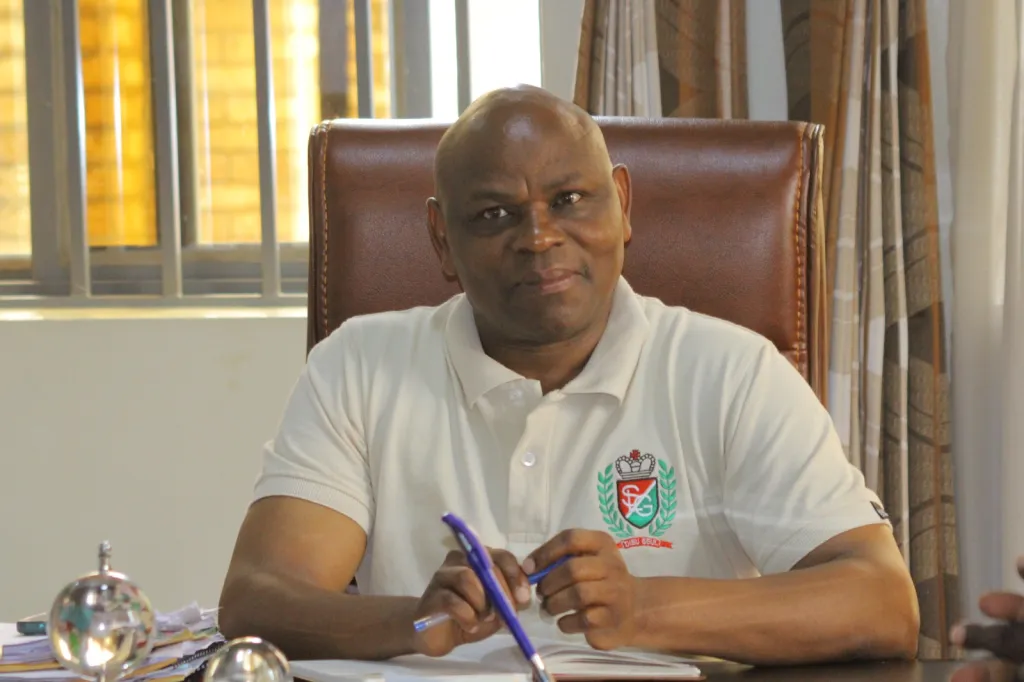
A veteran Brother on why a great boys' school is built in decades, not exam seasons.
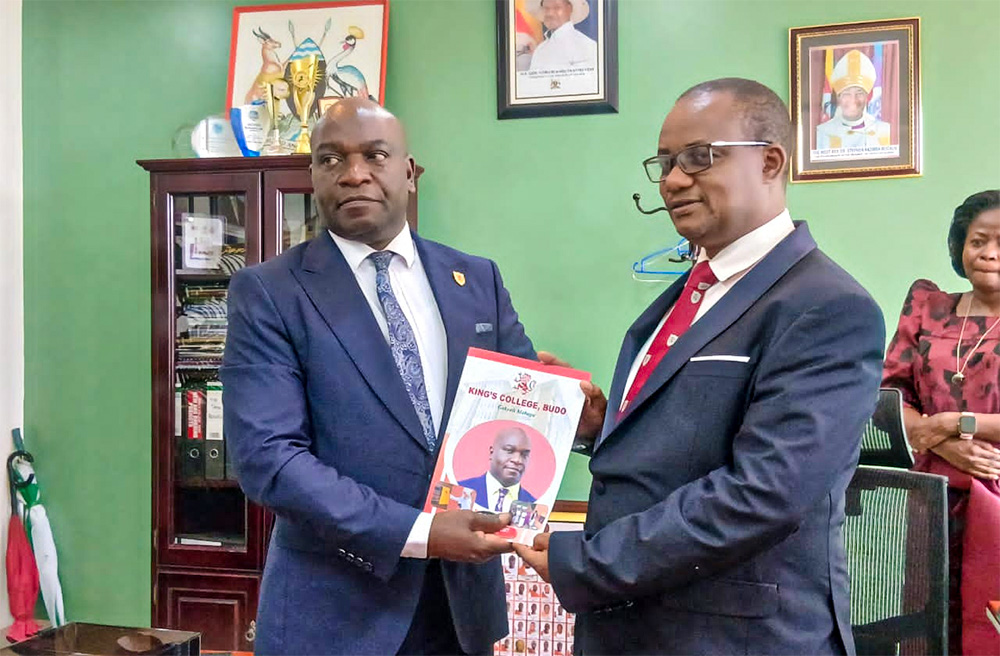
King's College Budo opens the year under its first internal appointment to the headship in over a decade.
Newsletter
One considered email a month, the pieces worth your time, and nothing else.
Praecip keeps editorial independent: our verdicts are never for sale, and any sponsored piece is clearly labelled.