
Profile8 min
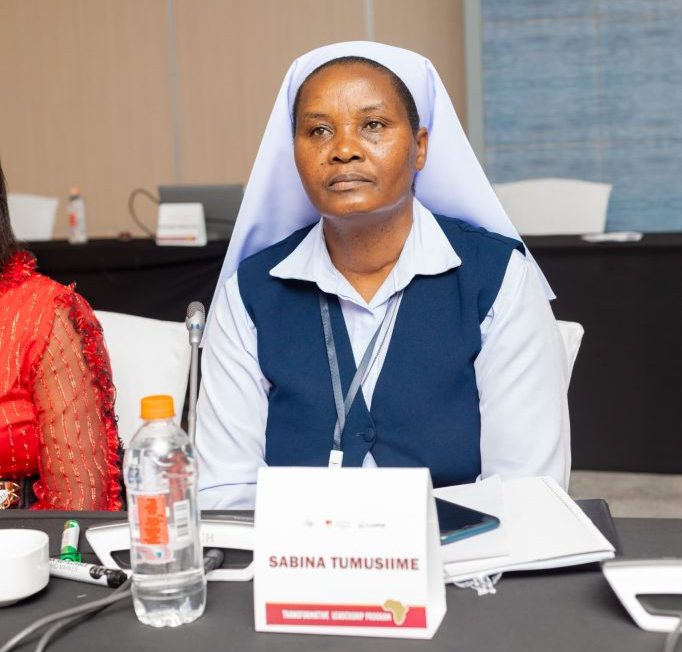
Sr Sabina Tumusiime and the discipline of a great girls' school
The head mistress carrying forward one of the south-west's most exacting girls' schools.
23 May 2026Read
Profile
A short history of the first formal girls' school in Uganda, told through the women who passed through it.

By Esther Auma, Features Writer
Features writer following the schools, founders and families shaping the sector.
Published 9 min read
Read summarized version with:
Gayaza High School marked 130 years in 2025 with a programme so understated that some of its own old girls almost missed the dates. The school does not chase a national audience and never has. That reticence is not modesty for its own sake; it is the temperament of an institution that has always measured itself by who its girls became rather than by how loudly it said so.
Founded in the closing years of the nineteenth century, Gayaza was the first formal school for girls in the country, established at a moment when the formal education of girls was neither assumed nor universally welcomed. From the start it combined academic instruction with the practical disciplines of self-reliance, and it has carried that double inheritance through every decade since.
To stand in the chapel, built in 1924 and still in daily use, is to feel how little the school has needed to reinvent itself. The buildings are old, the routines older, and the effect on the girls who pass through is, by every account we gathered, formative in a way they only fully understood years later.
Compile the alumni roll honestly and it reads like a directory of the women who built modern Uganda: ministers, surgeons, judges, novelists, broadcasters, vice chancellors. What is striking is not the eminence but the spread. Gayaza did not specialise in producing one kind of distinguished woman; it produced the full range, across professions that for much of the last century were assumed to be closed to women in Uganda.
The school never told us we were exceptional. It simply assumed we were capable, and then left us no excuse not to be.
The old girls who sat with us in the chapel kept returning to the same exchange. The school gave them a quiet confidence and a standard they could not afterwards unsee. In return it asked for self-discipline, service, and a refusal to trade on the school’s name. Several said the hardest lesson was learning that being a Gayaza girl conferred no entitlement, only an expectation.
The understatement of the 130th-anniversary programme was, in the end, the most Gayaza thing about it. In a sector where schools increasingly market themselves with banners and league-table claims, an institution that lets its alumnae roll do the arguing is making a quiet bet: that the measure of a girls’ school is not what it says about itself, but what the women it formed go on to do without ever mentioning it.
Discover, compare and shortlist schools across every curriculum in Uganda.
Browse schoolsThe head mistress carrying forward one of the south-west's most exacting girls' schools.
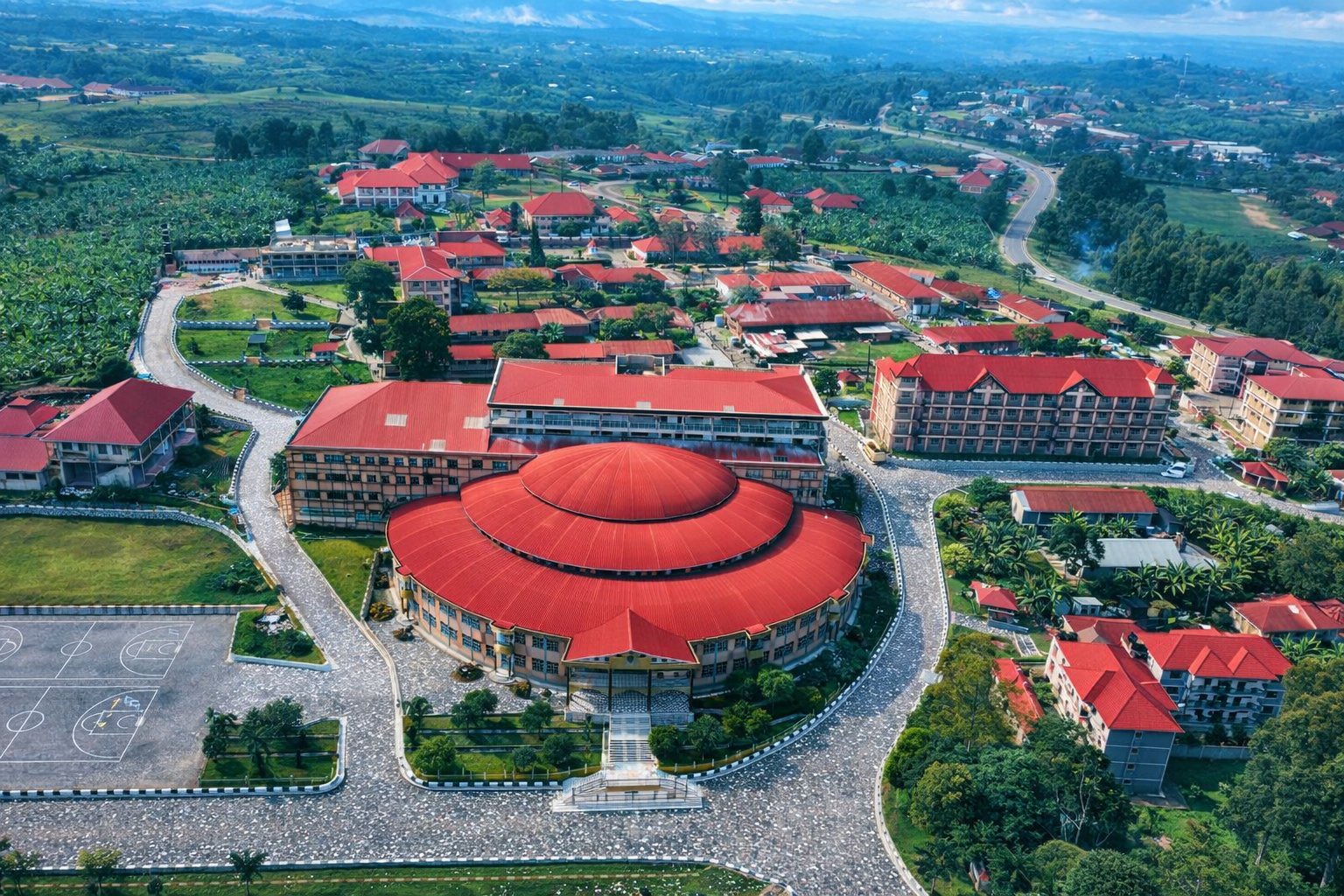
Some of the country’s best schooling happens far from Kampala, set on a trajectory by a single educator.
Some careers are measured in decades, and in the schools they leave standing. A look at three.
Newsletter
One considered email a month, the pieces worth your time, and nothing else.
Praecip keeps editorial independent: our verdicts are never for sale, and any sponsored piece is clearly labelled.