
News8 min
The quiet revival of the Busoga sub-region schools
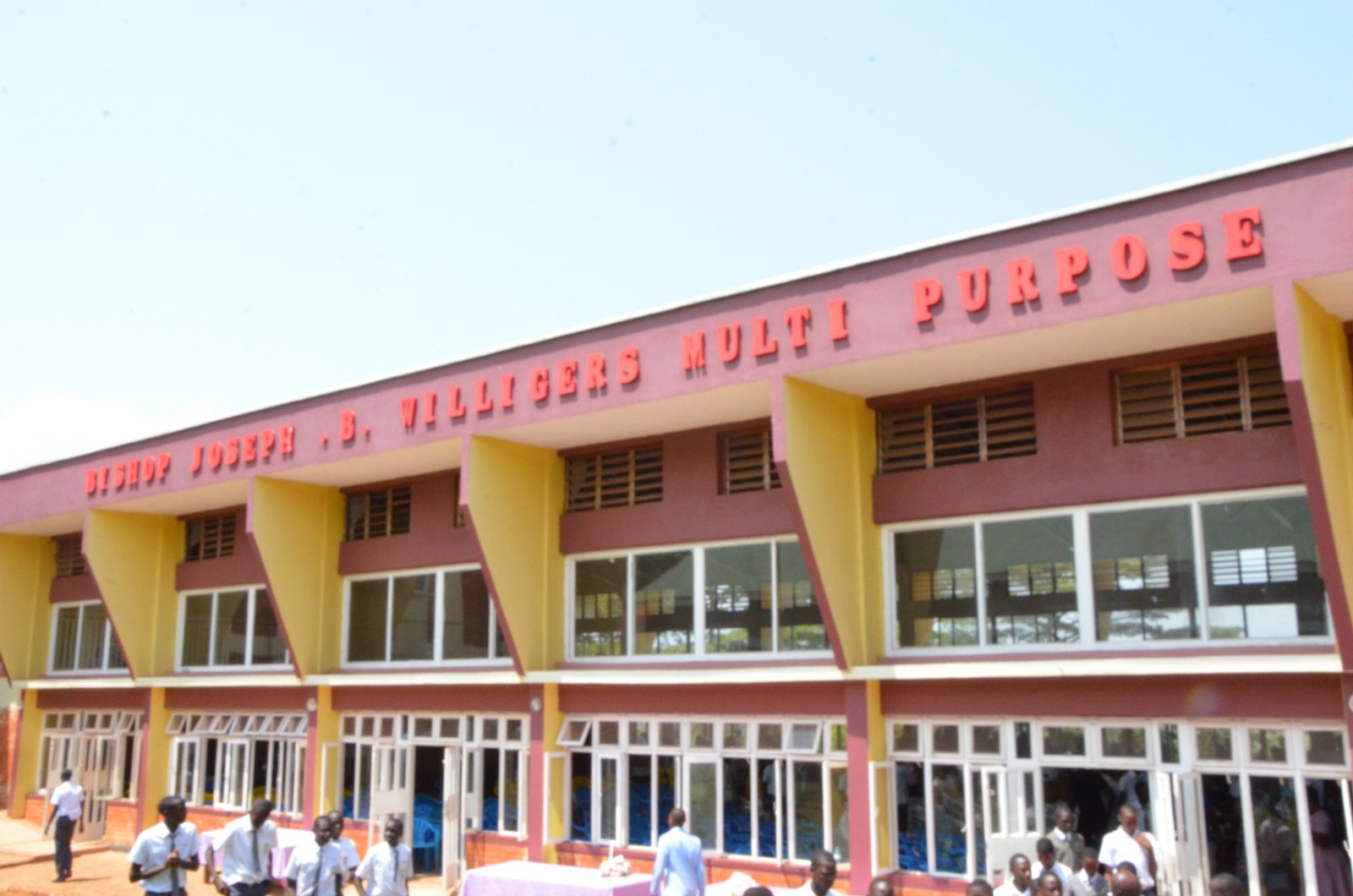
Busoga College Mwiri is again drawing pupils who, a few years ago, would have decamped to Kampala.
13 Jun 2026Read
News
Across 40+ schools we tracked, average termly tuition rose 6.4%, but the dispersion tells the real story.


By Brian Ssali, Data & Rankings Editor
Data and rankings editor turning UNEB results and fee tables into plain reads.
Published 7 min read
Read summarized version with:
Termly fees at Kampala-district schools moved a national average of 6.4% in 2026, broadly tracking inflation. The headline number is reassuring and almost beside the point. The story sits in the dispersion: the spread of what schools did around that average is far more revealing than the average itself.
A 6.4% mean increase, set against headline inflation, reads as a sector simply holding its real prices steady. But a mean is a poor summary of a market where the schools at the top and the schools in the middle are playing different games. Average the two and you describe a school that does not exist.
We compared the published 2025 and 2026 fee schedules of every Kampala-district school in our database, term by term and level by level, rather than relying on a single advertised figure. Done that way, the market splits into clearly different behaviours.
The most interesting movement was below the average. A handful of mid-tier private schools held fees flat or cut them outright, a deliberate bet that a lower price will fill more desks and that volume will make up the margin. Against them, a cluster of established schools raised tuition ahead of inflation, confident their intake is price-insensitive.
The third behaviour is the one parents feel most and notice least. Where a school left tuition visibly flat, the increase often reappeared in the extras: a higher development fee, a revised uniform requirement, a new or raised lab charge. These items rarely make the comparison shopping because they are not the number on the banner, yet they can add a meaningful sum to the real cost of a term in UGX.
A flat tuition line with a rising development fee is not a flat school fee. The total a parent pays in a term is the only number that matters.
The practical advice for a Kampala family is to ignore the advertised tuition headline and total every line on the schedule, term by term, including the extras that are easy to overlook. Compare that all-in figure against last year’s all-in figure, not against the school’s own framing of its increase. A school that has genuinely held the line will survive that test; a school that has shifted the cost into extras will not.
Discover, compare and shortlist schools across every curriculum in Uganda.
Browse schoolsBusoga College Mwiri is again drawing pupils who, a few years ago, would have decamped to Kampala.

The practical effect for sixth-formers: a narrower but better-resourced menu, and tighter cut-offs.
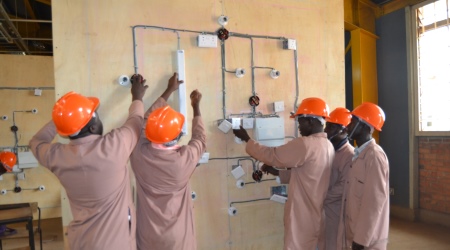
The case for technical education used to be made apologetically. The new infrastructure makes it without apology.
Newsletter
One considered email a month, the pieces worth your time, and nothing else.
Praecip keeps editorial independent: our verdicts are never for sale, and any sponsored piece is clearly labelled.