

Admissions4 min
10 things to check before choosing a secondary school in Uganda
A practical checklist for parents weighing the decision, from results to the things the prospectus never mentions.
16 Jun 2026Read
Opinion
Families with no intention of the priesthood are picking minor seminaries for the schooling.

By Joshua Mwesigwa, Senior Editor
Published 8 min read
Read summarized version with:
A quiet trend deserves naming. Across central Uganda, families with no intention of seeing a son ordained are enrolling boys in minor seminaries for the schooling alone. The religious formation is real and the seminary makes no secret of it, but the parents are there for something more prosaic: structure, attention, and a calm in which a boy can actually learn. It is worth asking what it says about mainstream schooling that so many are routing around it.
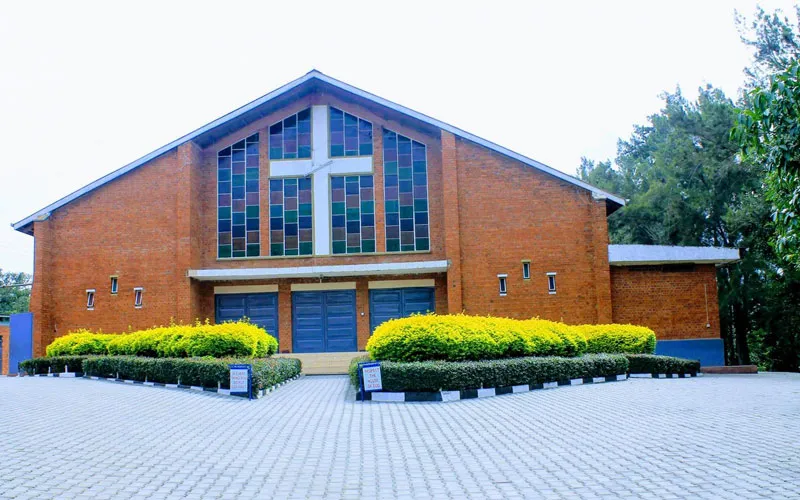
Places like Bukalasa Anglican Minor Seminary offer what many parents say they struggle to buy elsewhere at any price: order, low pupil-to-teacher ratios, and a culture that treats discipline as a feature rather than something to apologise for. The fees are often modest by the standards of comparable academic results, and the environment is deliberately stripped of the distractions that pull at a teenager’s attention in a larger, looser school.
None of this is hidden. The seminaries do not pretend to be ordinary boarding schools, and they do not bait parents with the schooling only to spring the religion later. The bargain is stated plainly at the gate.
At enrolment the terms are explicit: the religious formation comes with the academics, as a package and not an option. Most seminaries are equally candid in the other direction, that not every boy will, or should, continue towards ordination. A seminary that pressured every leaver towards the priesthood would soon have neither good vocations nor good results. The honest ones know this and say so.
We tell parents the formation is not negotiable, and we tell them most of these boys will not become priests. Both things are true, and the families who come anyway come with their eyes open.
Strip away the question of faith and what remains is a set of plain institutional virtues, the kind that any school could in principle offer and that too few reliably do:
The uncomfortable part of the story is not about the seminaries at all; it is about everyone else. When parents who have no theological motive at all choose a seminary for order and attention, they are passing a quiet verdict on the mainstream schools they could have chosen instead. The verdict is not that those schools are wicked or incompetent, but that too many have let the basics slide: contact hours leak, classes are too large, and discipline is treated as a problem to be managed rather than a condition for learning.
The seminaries are not doing anything secret. They are doing the basics well, and that, in itself, has become a competitive advantage. The lesson for the mainstream is not to acquire a chapel. It is to recover the unglamorous discipline, the protected study time, the noticed pupil, the orderly day, that a family should not have to enter a religious institution to find.
Discover, compare and shortlist schools across every curriculum in Uganda.
Browse schoolsA practical checklist for parents weighing the decision, from results to the things the prospectus never mentions.
Busoga College Mwiri is again drawing pupils who, a few years ago, would have decamped to Kampala.
How a solid-but-unremarkable Mukono school became one of the most-improved in central Uganda.
Newsletter
One considered email a month, the pieces worth your time, and nothing else.
Praecip keeps editorial independent: our verdicts are never for sale, and any sponsored piece is clearly labelled.