
News8 min
The quiet revival of the Busoga sub-region schools
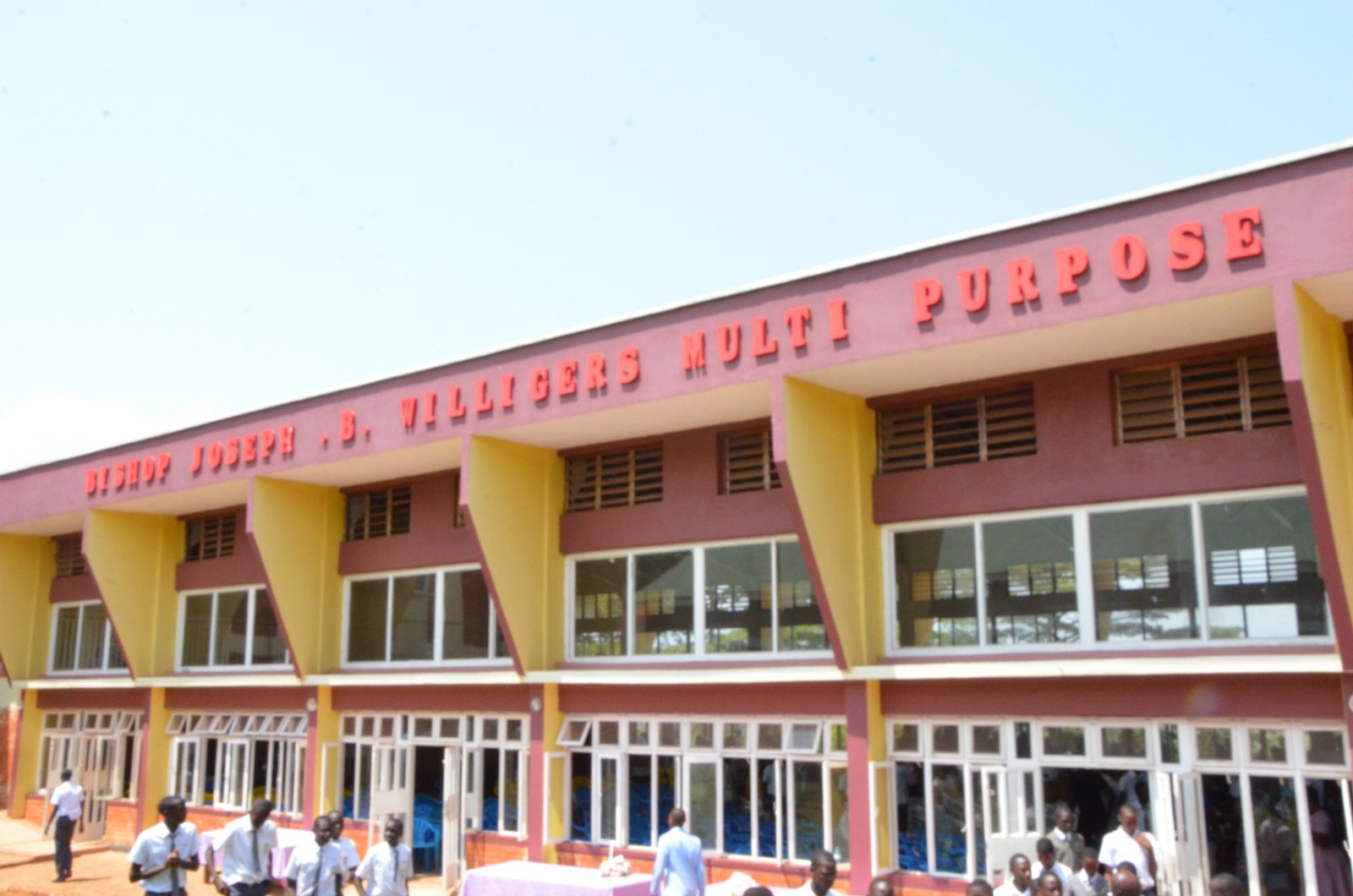
Busoga College Mwiri is again drawing pupils who, a few years ago, would have decamped to Kampala.
13 Jun 2026Read
News
Opening a school is easy; opening a good one is not. The newcomers that arrived with a plan.

By Ruth Nakato, Admissions Correspondent
Admissions correspondent tracking intakes, bursaries and the race for places.
Published 9 min read
Read summarized version with:
Opening a school in Uganda is easy. Opening a good one is not. Every year the country gains a fresh crop of new schools, and most of them are forgettable in the same predictable way: a rented building, a syllabus borrowed wholesale from a neighbour, a hopeful signboard, and a founder who has confused the ambition to run a school with the ability to do so. A few, a meaningful few, open differently. Telling them apart at the outset, before any results exist, is the problem this piece is about.
The forgettable new school is built on a prayer: the hope that pupils will come, that fees will cover costs, that the teaching will somehow sort itself out. The newcomers worth watching are built on a plan. They open with experienced leadership rather than an enthusiastic amateur, with real capital behind the classrooms rather than a rented shell, and, crucially, with a clear idea of the specific gap in the market they intend to fill. They can tell you who they are for, and why that family is currently underserved. The forgettable ones cannot.
That clarity of purpose is the first signal, and it is available before a single examination is sat. A school that exists because someone identified an unmet need, a curriculum the area lacks, an age band no one serves well, a specialism that is missing, behaves differently from one that exists because a plot of land became available. The first builds towards something; the second simply opens its doors and waits.
Across the recent entrants that arrived with a plan, a consistent set of early behaviours separated the serious from the speculative.
A new school cannot show you results, so it has to show you its judgement. Who did it hire, what did it build, and is it honest about being new? Answer those and you have your answer.
There is no way around the basic uncertainty. Choosing a new school for a child is a gamble, because the one thing that would settle the question, a track record of results, does not yet exist. A family that enrols in the opening cohort is betting on promise rather than performance, and some of those bets will lose. This is the honest frame, and the schools worth trusting are precisely the ones that share it rather than papering over it with borrowed prestige.
What the better newcomers do is reduce the gamble without pretending to eliminate it. A known head is a proxy for the results that do not yet exist. A resourced specialism is evidence of seriousness that a signboard cannot fake. Visible capital signals an intention to endure. None of these guarantees success, but together they shift the odds, and they are exactly the things a school running on a prayer cannot show.
For a family considering a new school, the task is to read the signals that substitute for a track record. Find out where the head taught before and for how long. Ask what the school is genuinely good at on day one, and treat a vague answer as a warning. Probe whether the founders are candid about being new or are inflating a history they cannot have. A newcomer that telegraphs its seriousness early is a different proposition from one that promises everything and proves nothing. Both are gambles. Only one is a considered one.
Discover, compare and shortlist schools across every curriculum in Uganda.
Browse schoolsBusoga College Mwiri is again drawing pupils who, a few years ago, would have decamped to Kampala.
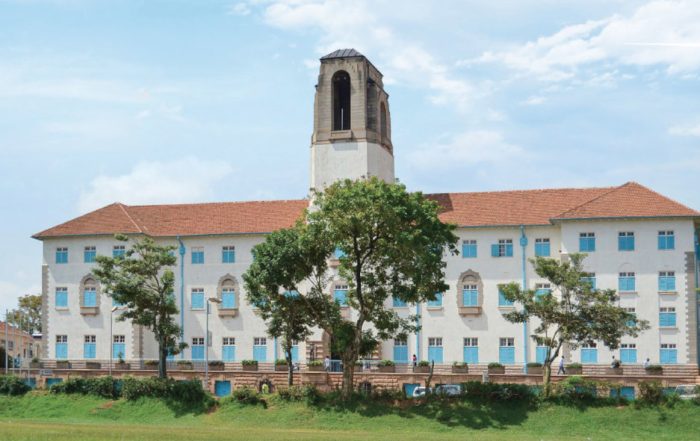
The practical effect for sixth-formers: a narrower but better-resourced menu, and tighter cut-offs.
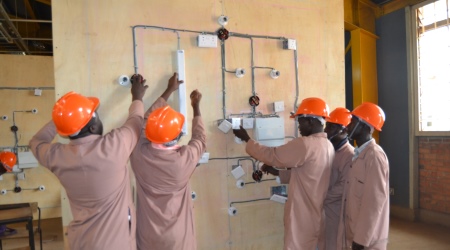
The case for technical education used to be made apologetically. The new infrastructure makes it without apology.
Newsletter
One considered email a month, the pieces worth your time, and nothing else.
Praecip keeps editorial independent: our verdicts are never for sale, and any sponsored piece is clearly labelled.